1. Start with cargo and protection
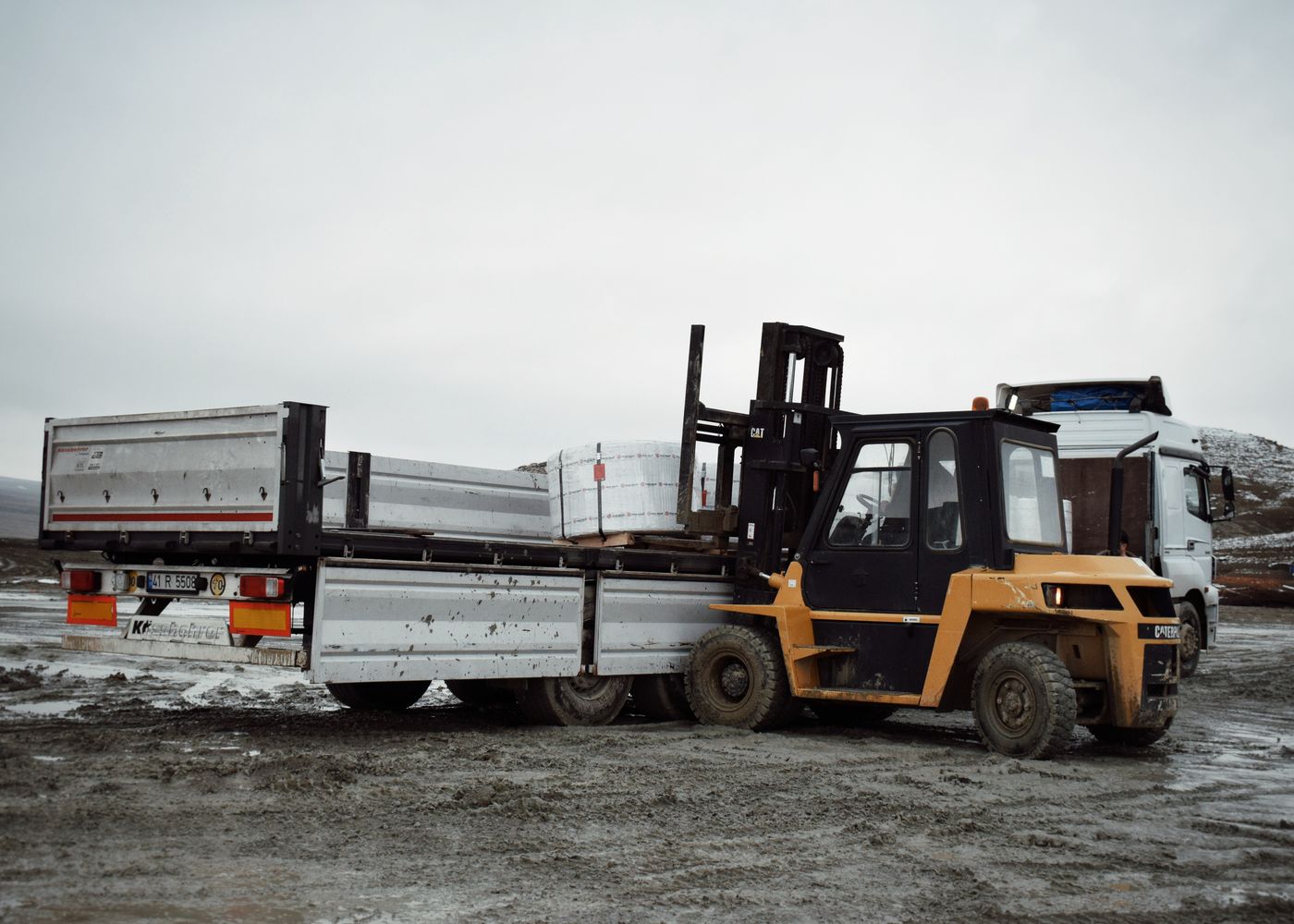
A flatbed offers access from several sides and can suit bulky or irregular cargo when proper restraints are available. A box body adds weather and theft protection for packaged goods. Dropsides make side loading easier but still need suitable restraints. Refrigerated bodies are a separate specification: verify the temperature range and test the cooling unit independently.
2. Check loading method and dimensions
Measure internal length, width, height, door opening and loading height on the actual truck. Confirm forklift access, side clearance, tail-lift or crane needs, tie-down points and access to warehouses or job sites. Compare measurements with cargo units and handling equipment; a modified used body may differ from catalogue dimensions.
3. Verify payload and load security
Request vehicle-plate and registration data for permitted weights, then confirm local axle and gross-weight rules. Inspect the floor, posts, hinges, locks, subframe and fasteners for corrosion or repairs. GOV.UK load-security guidance explains that loads must be restrained against movement; the method depends on the cargo and vehicle structure.
Choose body style using the loading workflow
Map the shipment from loading point to unloading point: forklift entry, side or rear access, weather exposure, security needs, restraint method and delivery-site clearance. The best body is the one that supports this workflow while meeting axle and payload limits. Ask for measurements of the actual body rather than relying on a model-family illustration.
Sources and further reading
This practical guide is an original summary based on the references below. Rules and technical requirements vary by market; verify current local requirements before purchase or export.