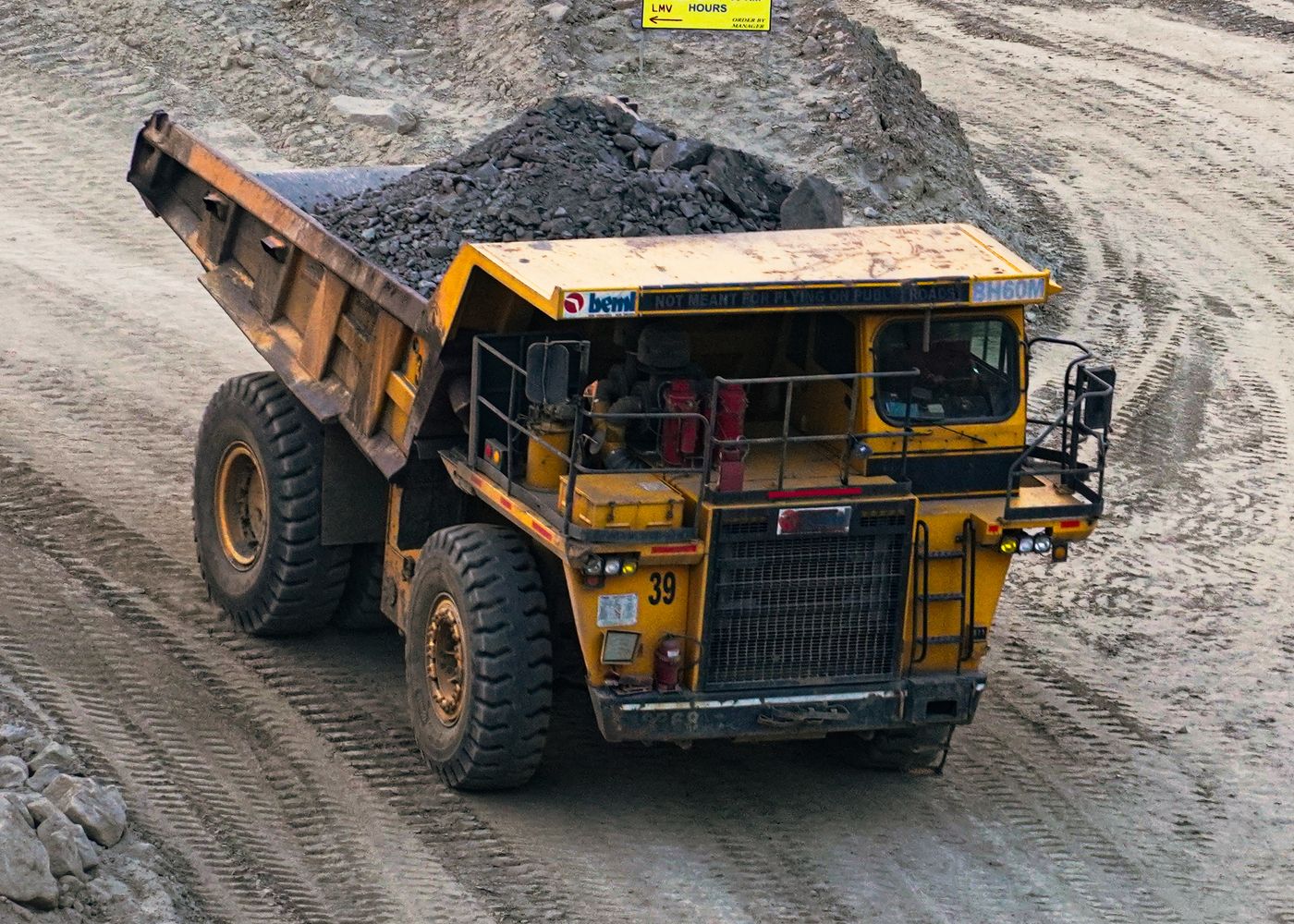
Describe the work cycle
Record road surface, gradients, turning radius, trip distance, loading and unloading time, material type, expected payload, climate, dust and water exposure. Note whether trucks share roads with public traffic and what maintenance facilities are nearby. These inputs help compare dump, mixer, tanker and support-truck configurations.
Convert conditions into checks
For rough routes, pay particular attention to frame and suspension condition, tire specification, axle ratio and cooling. For a dump truck, review hoist and hydraulic operation; for a mixer, inspect drum and hydraulic system. Safety checks should include brakes, steering, tires, lights, coupling devices and warning systems. OSHA's checklist provides one practical reference, not a universal export acceptance standard.
Plan for uptime after delivery
Confirm parts availability, service contacts, warranty boundaries, operator training and expected response time. Ask the supplier to state which work is performed in-house and which is subcontracted. For export orders, have the qualified exporter and local adviser confirm vehicle quality, required reports and destination-country import requirements before shipment.
Rank site constraints before choosing a body
Give each site constraint a priority: maximum loaded mass, height clearance, turning space, ground condition, water or dust exposure and time between service opportunities. Use the highest-risk constraints to screen the shortlist, then add the application equipment. Ask the site manager and local compliance adviser to review the final dimensions and operating limits.
Sources and further reading
This practical guide is an original summary based on the references below. Rules and technical requirements vary by market; verify current local requirements before purchase or export.