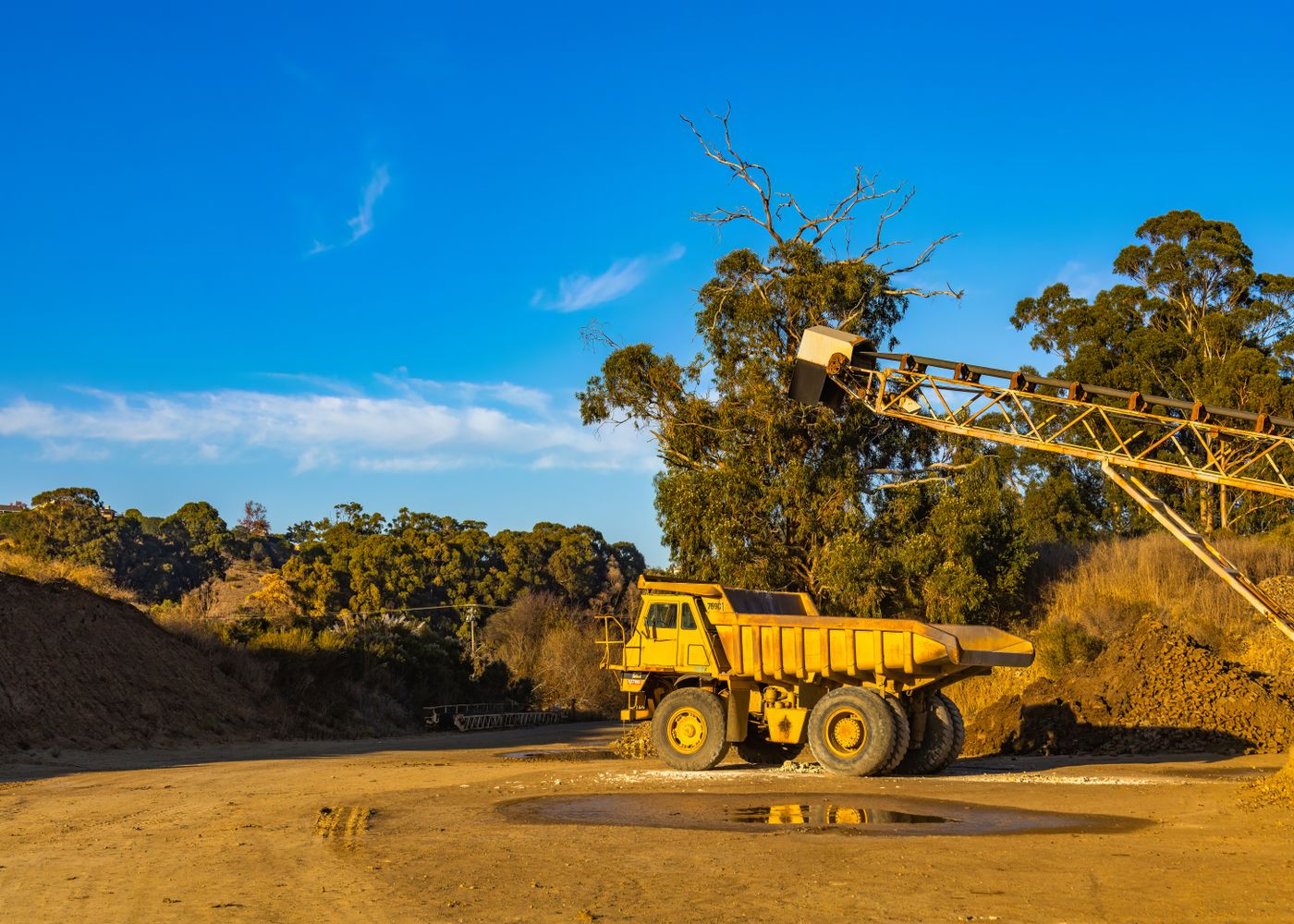
1. Inspect the body and load-bearing structure
Request dated close-ups of chassis rails, cross-members, body subframe, hinge points and mounting brackets. Look for cracks, distortion, corrosion, non-standard welds and repairs without records. Check the tailgate, hinges, locks and body panels. Confirm dimensions and rated capacity from vehicle documents; body volume alone does not establish legal payload.
2. Test the hoist as a working system
With the truck safely positioned and a technician present, document PTO engagement, pump, hoses, cylinder, controls, lifting, holding and lowering. Note leaks, unusual noise, jerky movement or visible cylinder damage. Never work beneath a raised body unless it is mechanically supported. If a load test is not performed, state that clearly in the report.
3. Finish with road-safety checks
Record service and parking brakes, tires and wheels, steering, lights, warning devices, seat belts and visible leaks. OSHA and DVSA checklists are useful examples of inspection areas, but destination-country rules control. Match each finding to photos, test results and a repair decision before sign-off.
Link each structural finding to a decision
For each crack, weld, deformation or leak, record its location, dimensions where practical, photograph number, inspector comment and proposed disposition: repair before shipment, accept with disclosure, monitor or reject. Do not let a repaired structural area disappear from the final report; preserve before-and-after evidence and the repair method.
Sources and further reading
This practical guide is an original summary based on the references below. Rules and technical requirements vary by market; verify current local requirements before purchase or export.