
A Practical Checklist for Buying a Used Truck
A structured way to compare truck configuration, inspection evidence, refurbishment scope and delivery terms before requesting a quote.
Read guide ↗Use these guides to turn a truck requirement into a comparable specification, evidence request and purchase decision. Each guide links its advice to cited primary or official references where available.
A structured way to compare truck configuration, inspection evidence, refurbishment scope and delivery terms before requesting a quote.
Read guide ↗
Match drive layout and body configuration to the route, then focus inspection on frame, brakes, hoist and hydraulic equipment.
Read guide ↗
Compare axle layout, powertrain, gearing, fifth wheel and destination rules as one operating package.
Read guide ↗
Compare body type, wheelbase, payload documents, frame condition and the intended delivery route.
Read guide ↗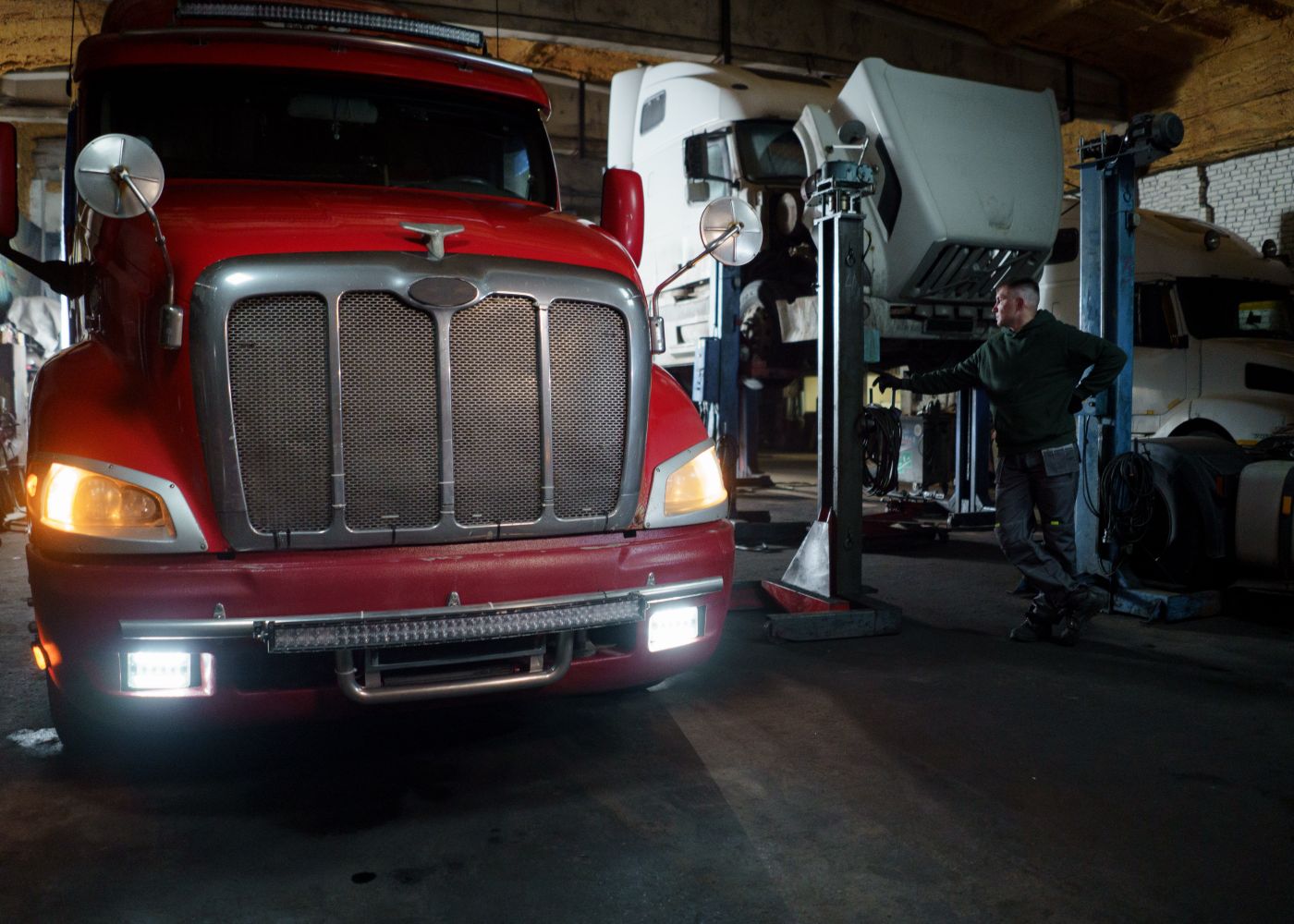
Refurbishment labels are not enough. Compare the written inspection, repair, replacement and warranty scope.
Read guide ↗
Understand who sells the truck, who provides buyer services and which qualified party handles export licensing.
Read guide ↗
HOWO includes tractor, dump, cargo and special-vehicle applications. Confirm the exact series and unit documentation before comparing.
Read guide ↗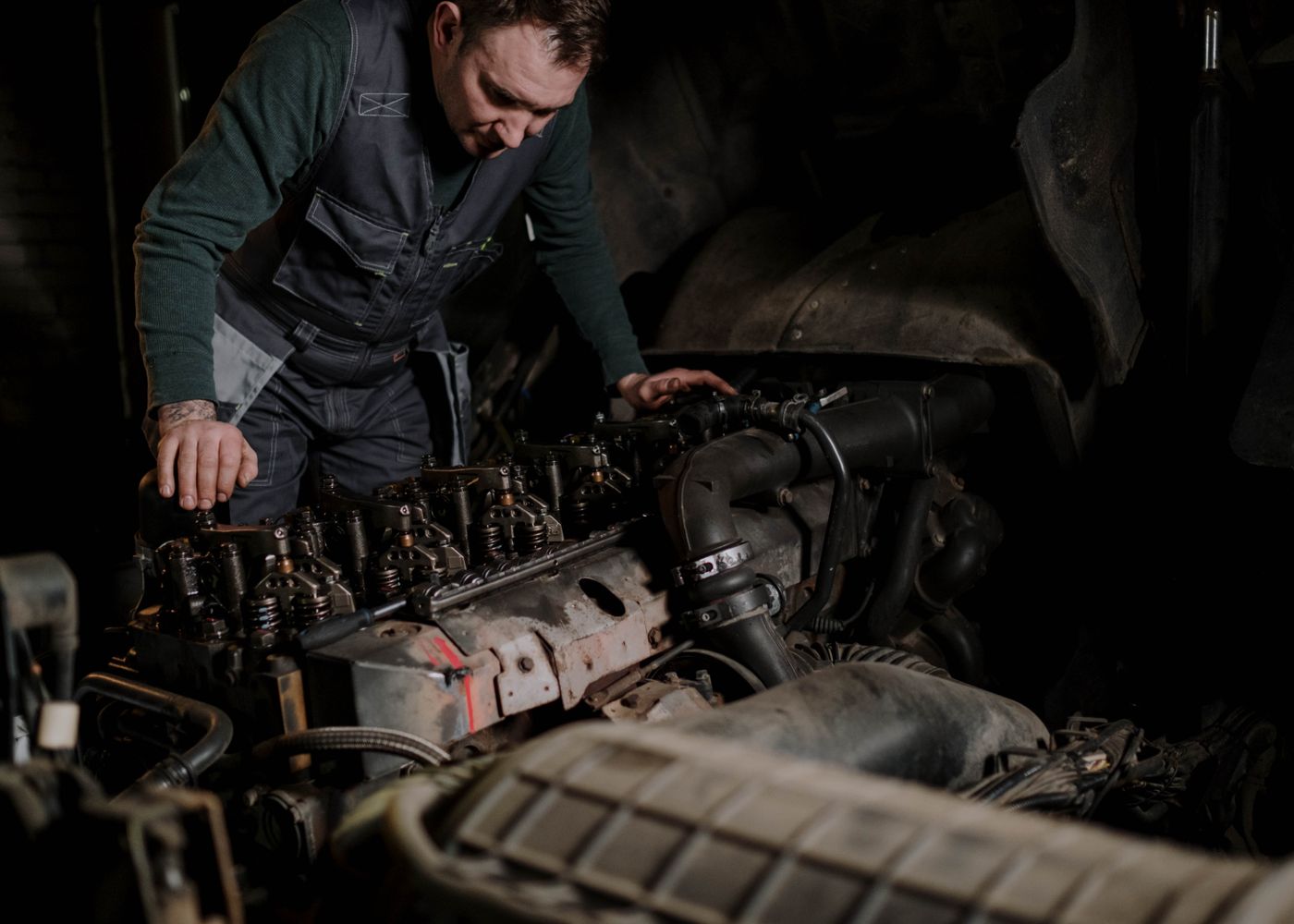
Review the official F3000 series range as a guide, then verify the year-specific configuration of the actual used truck.
Read guide ↗
Inspect the truck and mixer equipment as connected but separately documented systems.
Read guide ↗
Translate terrain, material, cycle time and service support into truck specifications and an inspection plan.
Read guide ↗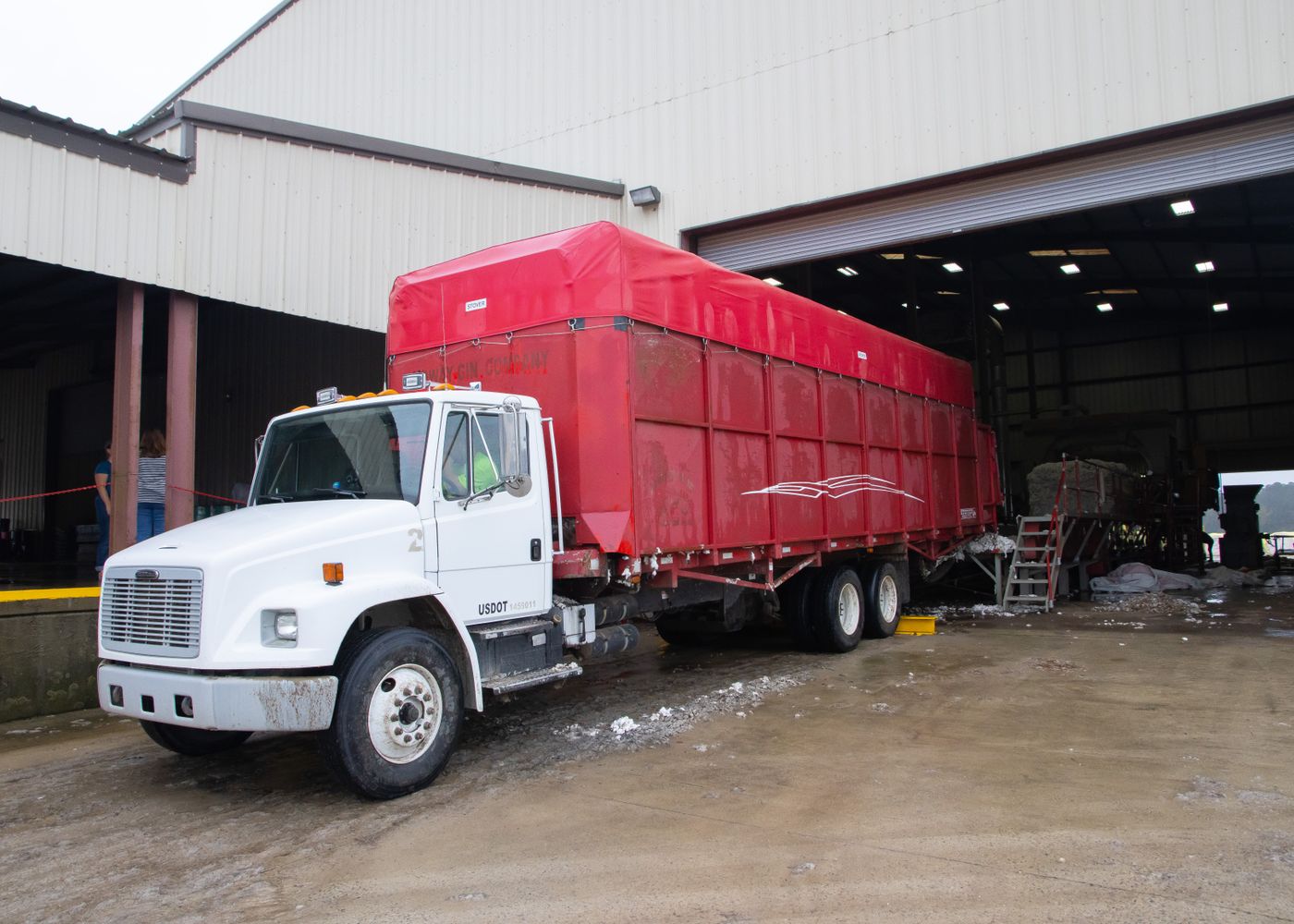
Normalize configuration, refurbishment scope, contract terms and delivery costs before choosing a supplier.
Read guide ↗
Build an evidence-led inspection around structural wear, the hydraulic hoist and road-safety systems.
Read guide ↗
Check the whole combination: coupling, brakes, electrical connections, weights, dimensions and route.
Read guide ↗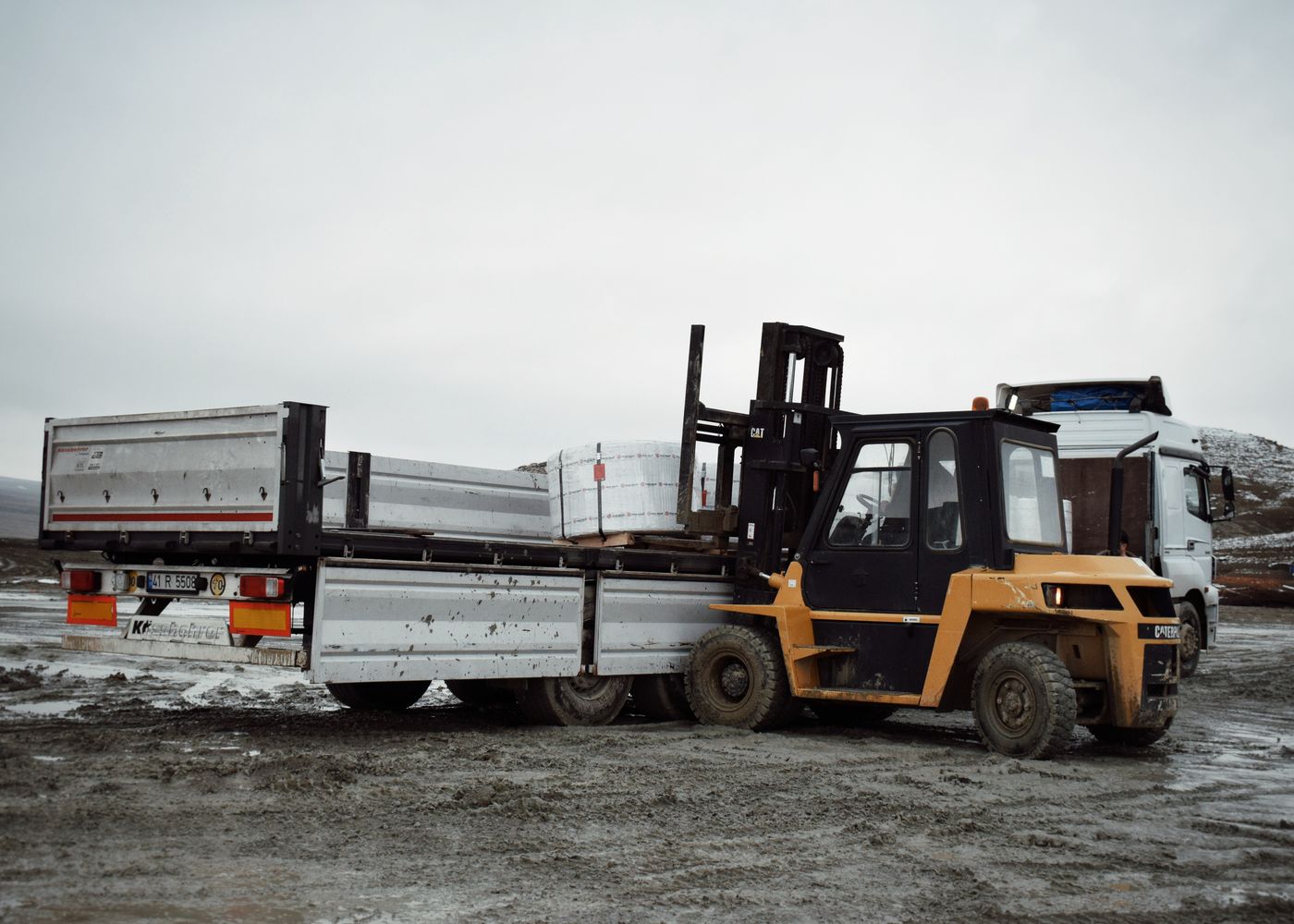
Match cargo protection, loading method, access and payload evidence to the right body style.
Read guide ↗
Use a baseline inspection, itemized repair record and post-work checks to make refurbishment scope verifiable.
Read guide ↗
Confirm the contracting seller, vehicle identity, payment milestones, export roles and destination documents in writing.
Read guide ↗
Use the exact vehicle identity and component codes to distinguish a model family from an individual truck configuration.
Read guide ↗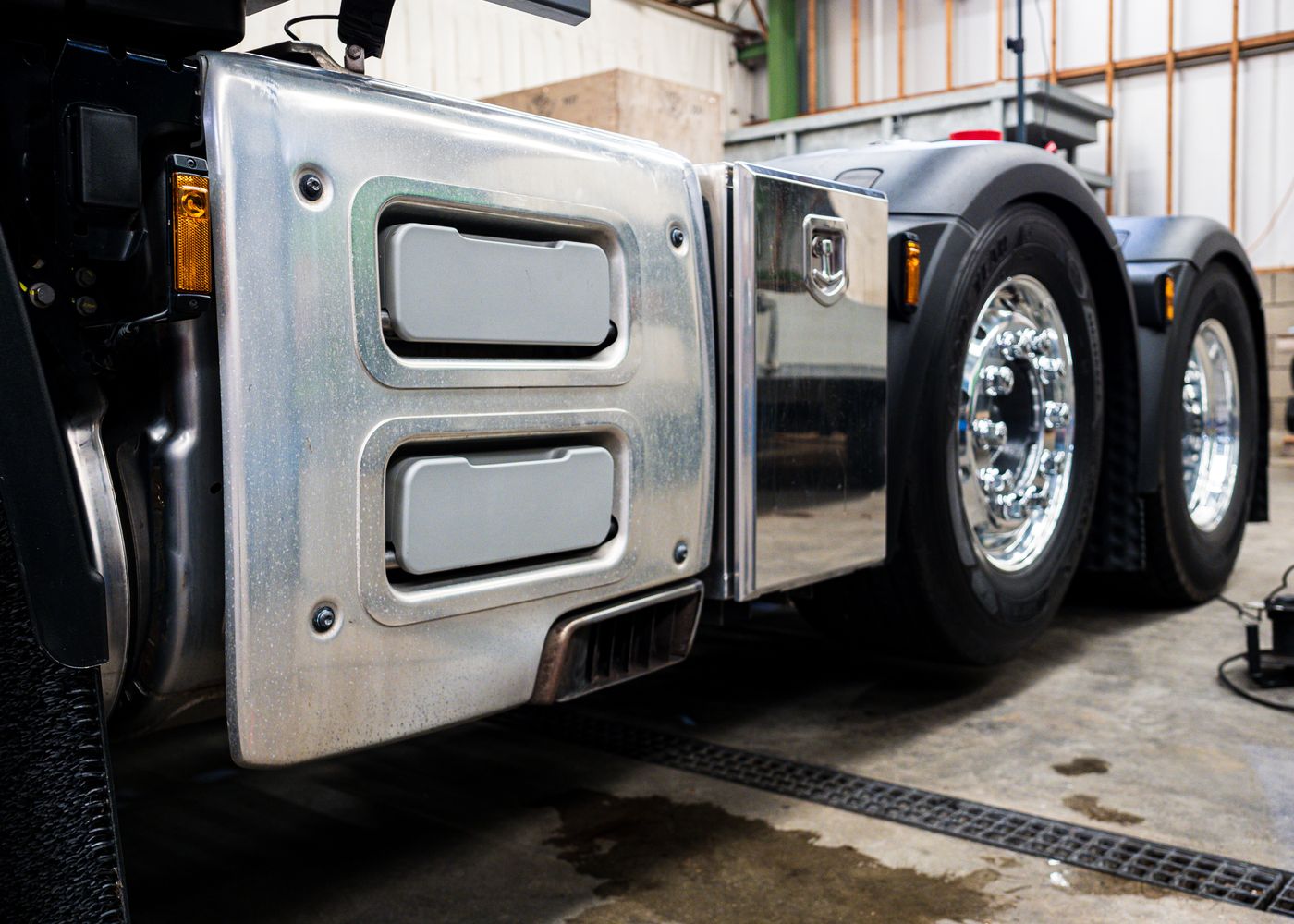
Use the official F3000 range as a starting point, then verify the offered truck's exact year and component configuration.
Read guide ↗
Inspect the road chassis and mixer system separately, then verify their interaction under a controlled test.
Read guide ↗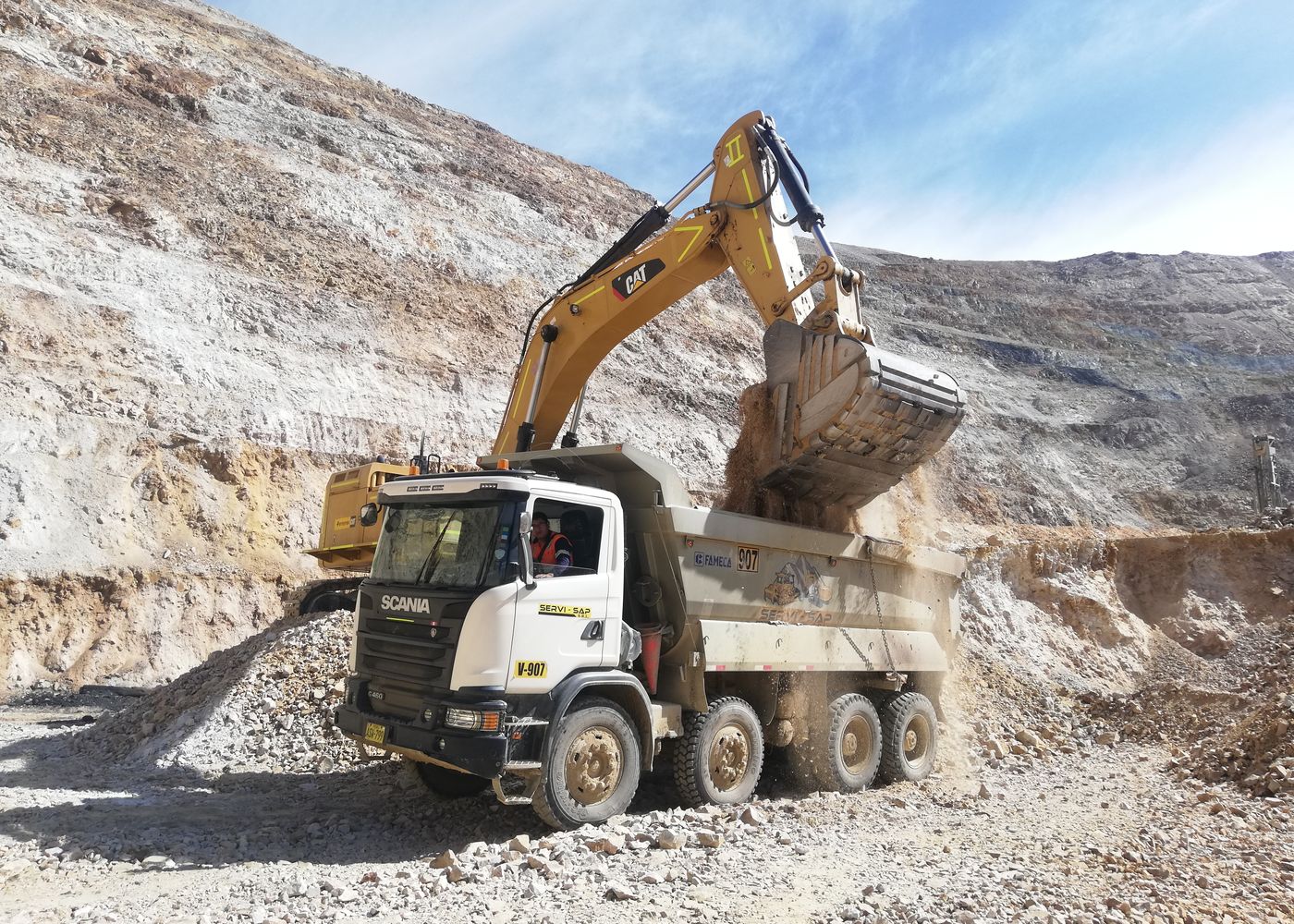
Translate site conditions into a truck brief, focused inspection and written acceptance record.
Read guide ↗Share your destination, truck application, quantity and delivery target. A buyer adviser can help organize the questions and evidence to request from factories.
Request sourcing advice ↗Tell us your destination, truck type and quantity. Use HubSpot chat when connected, or reach our sourcing advisor on WhatsApp.