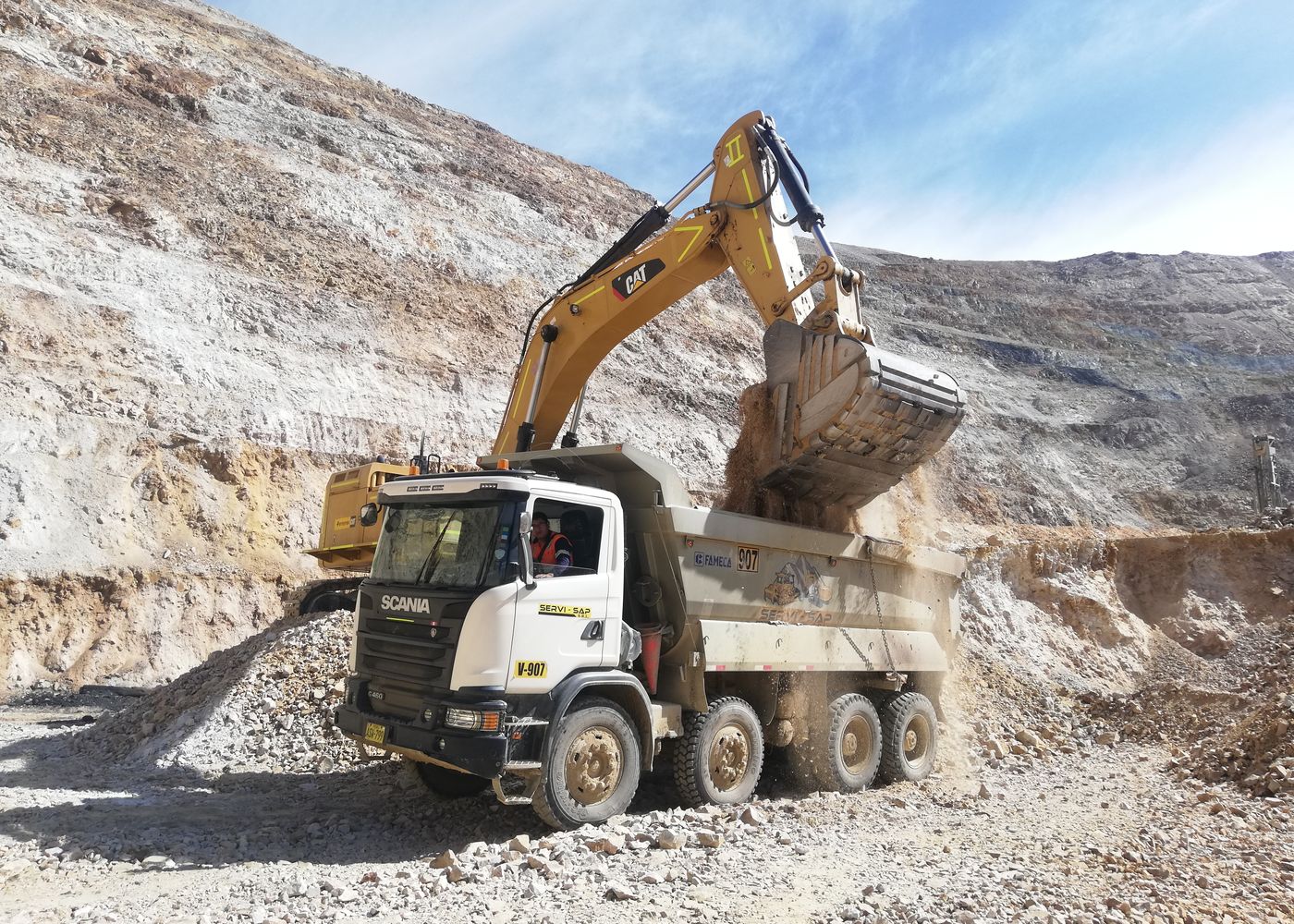
1. Turn the site into a written truck brief
Record surface, grade, turning space, water or dust exposure, daily cycles, payload, loading equipment and travel between sites. Identify whether the unit needs a dump body, crane, mixer, tanker or another attachment. Check local weight, height, emissions and access limits before selecting axles or body dimensions; obtain local advice where rules are unclear.
2. Inspect the base vehicle and work equipment
Request a dated condition report covering brakes, tires, steering, frame, suspension, engine, transmission, leaks and safety devices. Add equipment-specific tests such as hoist movement, crane controls, mixer rotation or pump operation. OSHA's construction vehicle checklist identifies basic safety systems, while specialist attachments need their own qualified inspection and test record.
3. Close inspection with evidence and decisions
Connect each finding to a photo, measurement, test or document and label it pass, repair, monitor or not tested. Agree who pays for required repairs and when reinspection occurs. The acceptance record should identify the truck, inspector, date, scope, limitations and open defects. Keep it with the refurbishment job card, warranty and shipping documents.
Issue a site-specific inspection brief
Send the inspector a site brief before the visit: work cycle, material, route, terrain, attachment, expected shift length and known access limits. Ask for separate findings on road chassis, application equipment and operator controls. The report should end with a clear release decision and a list of repairs or tests required before dispatch.
Sources and further reading
This practical guide is an original summary based on the references below. Rules and technical requirements vary by market; verify current local requirements before purchase or export.