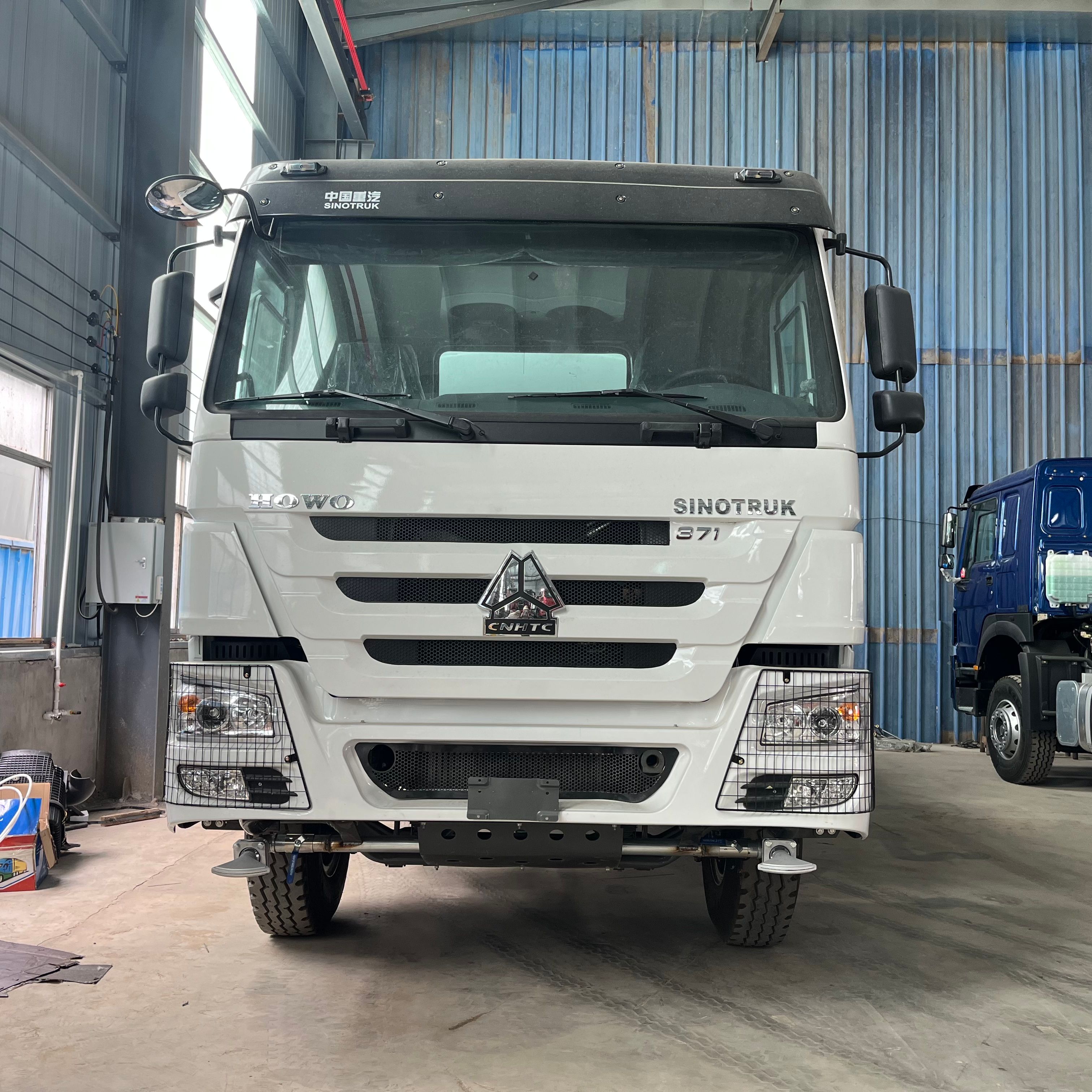
Many used-truck buyers reach the same point: the unit is agreed, the deposit is paid, and it seems that only the paperwork is left to put together. In practice, what delays a used-truck export is often not the condition of the vehicle, but a document that does not match the others — an engine number that differs by one character from the registration certificate, a model description on the invoice that does not match the customs declaration, or a destination certificate that nobody confirmed in time. When any link in the file chain breaks, the usual cost is storage or demurrage, delivery risk and a loss of trust.
Documents can look like an administrative chore — until the vessel has sailed and one form no longer agrees with the other three.
First, treat documents as an information chain, not a pile of paper
First, treat documents as an information chain, not a pile of paper
Export documents look like a stack of forms. In substance they are three layers of information that have to stay in sync:
Ownership: who owns the truck, and whether it can legally be sold abroad.
Vehicle identity: what the truck is — VIN, engine number, model and year.
Trade terms: buyer and seller, transaction price, and transport and delivery terms.
These three layers must be consistent across every file. Customs officers, carriers and destination brokers do not only check whether you submitted a document; they check whether the documents agree with one another. Once that is clear, every later step has a single purpose.
In China: transfer of ownership and export eligibility
In China: transfer of ownership and export eligibility
Before a used truck can enter the export process, ownership usually has to be in order in China. Typical supporting files include the vehicle registration certificate, the vehicle license, identity documents of both parties and a sales invoice. The exact list follows the practice of the vehicle registration office where the truck is registered, and should be confirmed locally.
You also need to confirm that the truck can complete a transfer of registration or an export cancellation. Acceptance rules for used-vehicle exports can vary by locality, so it is safer to check this when the truck is purchased, not after it has already arrived at the port.
Trucks with an outstanding mortgage, a freeze or unresolved traffic violations are often blocked at this document stage. The check itself is inexpensive; missing it is not.
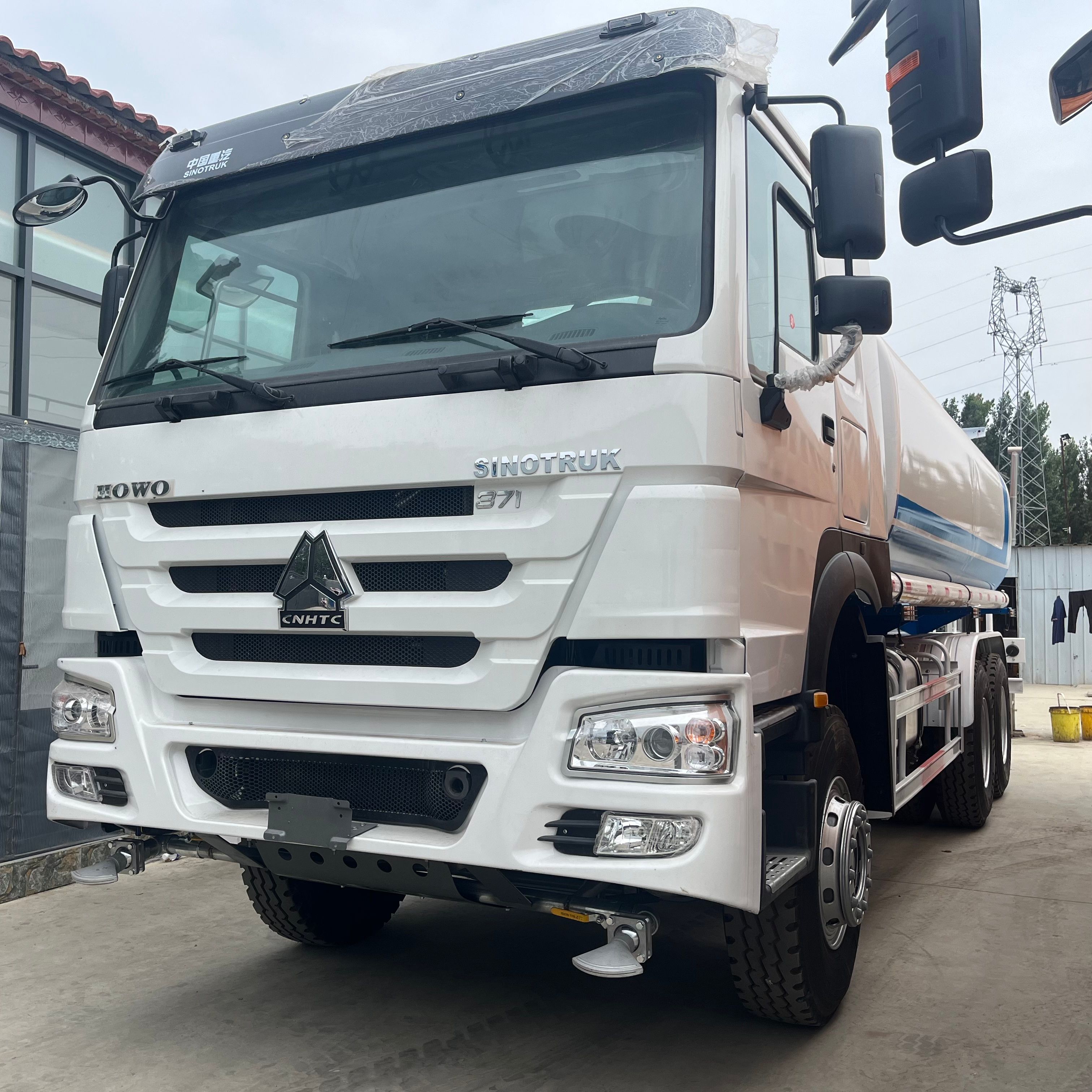
Export customs: the core document pack
Export customs: the core document pack
For the Chinese export declaration, the pack commonly includes the following. Always confirm with the actual port of exit and the licensed customs broker:
Export goods declaration
Commercial invoice and packing list
Foreign-trade contract
Copies of the vehicle registration certificate and vehicle license
An export licence or proof of the exporter’s used-vehicle export qualification, where required
A used truck is not a generic commodity. The VIN and engine number must match the registration files exactly, and the model wording should be uniform: use the same description on the contract, the invoice and the customs declaration, so you are not left trying to prove consistency after the fact.
At destination: clearance and registration
At destination: clearance and registration
What the destination country requires is defined by that country, not by the origin port. Files often requested include the commercial invoice, the bill of lading or waybill, a certificate of origin (CO), vehicle registration or ownership documents, and a condition or inspection report. Where destination rules require them, embassy or chamber legalization and translations may also be needed. Whether any of these is mandatory depends on the destination and should be confirmed in writing.
Many disputes start from the assumption that destination requirements are the same as those at origin. Asking the destination agent or customs broker for a written document list before you book space is almost always cheaper than repairing a file after arrival.
The mismatches that most often stop a shipment
The mismatches that most often stop a shipment
A mistyped VIN or engine number, or one character added or omitted.
Different wording for the model or year on different documents.
An invoice value that does not logically match the contract.
The registered owner is not the seller named on the export contract, with no authorization or transfer file to close the gap.
On a modified truck — a van body, crane, mixer or similar — the body or equipment specifications do not appear in the documents.
The simplest control is a single checklist: lay the key fields from every file in one table and compare them column by column, instead of reviewing each document in isolation.
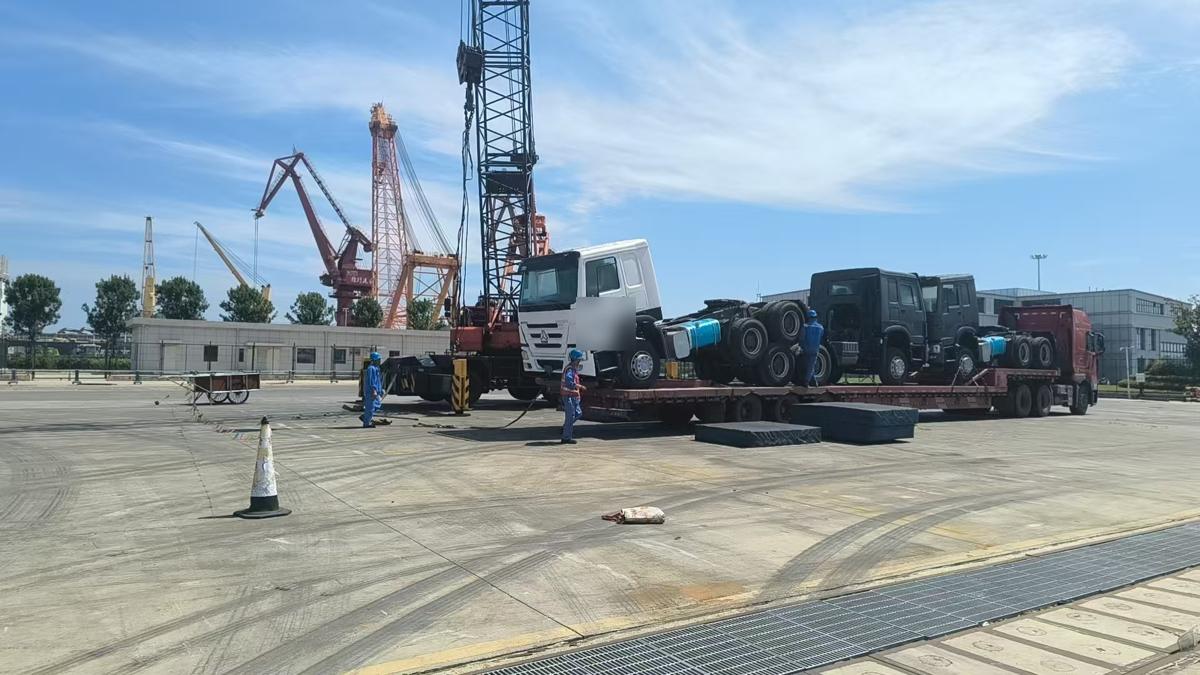
A document timeline before the truck leaves
A document timeline before the truck leaves
Before you buy the truck: confirm how the registration office handles transfer and export formalities.
When you take the truck: check the registration certificate, vehicle license, VIN and engine number, and keep photographs.
Before booking space: request a written clearance document list from the destination agent.
Before the export declaration: finish a full consistency check of every document.
After loading: compile a complete set of scans and deliver them with the document pack to the buyer.
The value of document work is not how many pages you prepare, but whether the information is right the first time. Managing transfer, export declaration and destination clearance as one chain usually saves more than time.
Keep a short record at each step, so the next truck moves through the process faster than this one.
FAQ: Must the used truck first be transferred into the exporter’s name?
FAQ: Must the used truck first be transferred into the exporter’s name?
Clear, legally transferable ownership is usually a prerequisite. Whether the truck must first be registered in the exporter’s name, or whether the original owner can deliver it directly for export, can vary by locality and should be confirmed with the vehicle registration office and the competent commerce or customs window before the contract party is fixed. Confirming this early avoids a break in the file chain at the source.
FAQ: Can the truck clear customs without a certificate of origin?
FAQ: Can the truck clear customs without a certificate of origin?
It depends on the destination country’s import rules. Some countries require a certificate of origin for certain goods; in other cases it may be waived or another form of proof may be accepted. The reliable approach is to confirm this in writing with the destination customs broker before you book space, rather than relying on experience from a previous shipment.
FAQ: Where should I get the destination document list?
FAQ: Where should I get the destination document list?
The most reliable source is a written list from the destination port agent or customs broker. Next, check public requirements issued by the destination customs or transport authority. Do not rely only on a verbal answer from the origin freight forwarder: the two countries’ requirements are often different.