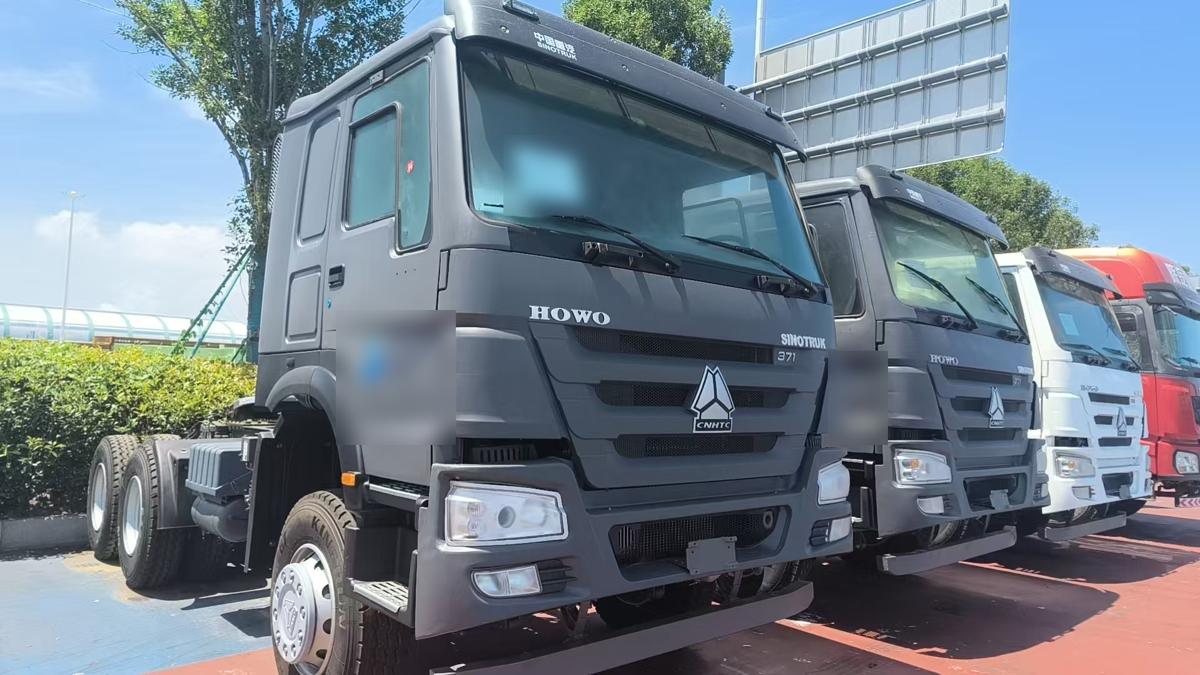
When a buyer compares used-truck quotes from China, the unit price is only one line of the deal. The Incoterm on the quotation — most often FOB or CIF — changes who books the vessel, who pays ocean freight and insurance, and where risk typically transfers under the standard rules. Two offers that look far apart on paper can be closer once those items are allocated, or much farther apart if they are left vague.
This article explains what FOB and CIF usually mean in used-truck export, why the named port matters, what should be written into the contract, and how the term interacts with yard pickup, documents, and inspection timing. Incoterms® rules are published by the International Chamber of Commerce. Name the version you are using, for example Incoterms 2020, and confirm the details with the contract, your freight forwarder, and official sources. This is not legal advice, and it does not quote freight rates, insurance premiums, or destination duties, because those figures change by route, cargo, and date.
What FOB and CIF usually mean for used-truck export
What FOB and CIF usually mean for used-truck export
FOB, or Free On Board, is a maritime and inland-waterway term. Under the standard rules, the seller delivers when the goods are placed on board the vessel nominated by the buyer at the named port of shipment. The seller typically completes export formalities. The buyer typically arranges and pays the main carriage by sea, and arranges cargo insurance if they want cover. FOB does not, by itself, require the seller to provide insurance.
CIF, or Cost, Insurance and Freight, is also a maritime term. The seller arranges and pays carriage to the named port of destination and provides insurance for the voyage, usually on minimum cover unless the contract requires a higher clause. The point that catches many first-time buyers is this: under standard CIF rules, risk still transfers when the goods are on board the vessel at the port of shipment, not when the truck arrives at the destination. The seller pays freight and insurance that far; the buyer typically bears the voyage risk and would look to the insurance if something happens at sea.
Both terms assume a vessel and a port. They are not designed for handing a truck over in a seller’s yard, even though some quotations loosely write “FOB yard” or “FOB factory.” If the actual handover is at a yard, a workshop, or a terminal gate before loading, say so in plain language, or use a term that matches that handover, rather than stretching FOB or CIF.
Why the named port matters
Why the named port matters
An Incoterm without a precise place is incomplete. Write the rule with a named port or place: FOB Qingdao, CIF Tema, CIF Lagos, and so on. Phrases such as “FOB China” or “CIF Africa” are too vague to allocate cost, risk, or a sailing schedule.
The named port of shipment is where delivery under standard FOB or CIF is supposed to take place. It also shapes inland trucking from the yard, the receiving terminal, and the cut-off you must meet. A truck that is still in a yard far from the load port is not yet ready to be placed on board.
The named port of destination under CIF tells you how far the seller pays freight and insurance. It does not automatically mean the seller pays unloading, terminal handling on arrival, storage if the consignee is late, or onward transport inland. Local port practice varies. Confirm in writing who pays destination terminal charges, documentation fees, and any storage after arrival.
The loading method matters as well. A used truck may move by Ro-Ro, or in a container or on a flat rack, and that choice can change how “on board” is evidenced and which transport document you receive. For a comparison of those methods, see the guide to Ro-Ro versus container shipping for used trucks.
Where risk typically transfers — and what that is not
Where risk typically transfers — and what that is not
Under standard FOB and CIF rules in Incoterms 2020, risk of loss or damage generally transfers when the goods are on board the vessel at the port of shipment. Until that point, the seller typically bears that risk; afterwards, the buyer typically does.
That transfer is not the same as transfer of title or ownership, which should be a separate clause. It is also not the same as who pays ocean freight, who is named on the bill of lading, or when the balance becomes due. Disputes often start when one side treats “CIF” as seller responsibility until arrival, while the other applies the standard risk-transfer point at shipment.
A CIF buyer should still read the insurance terms and keep the documents needed for a claim. A FOB buyer should make sure insurance is in place when risk transfers, with no gap between the yard, the terminal, and the vessel. If the truck will wait for a later sailing, ask who bears risk and who pays storage during that wait.
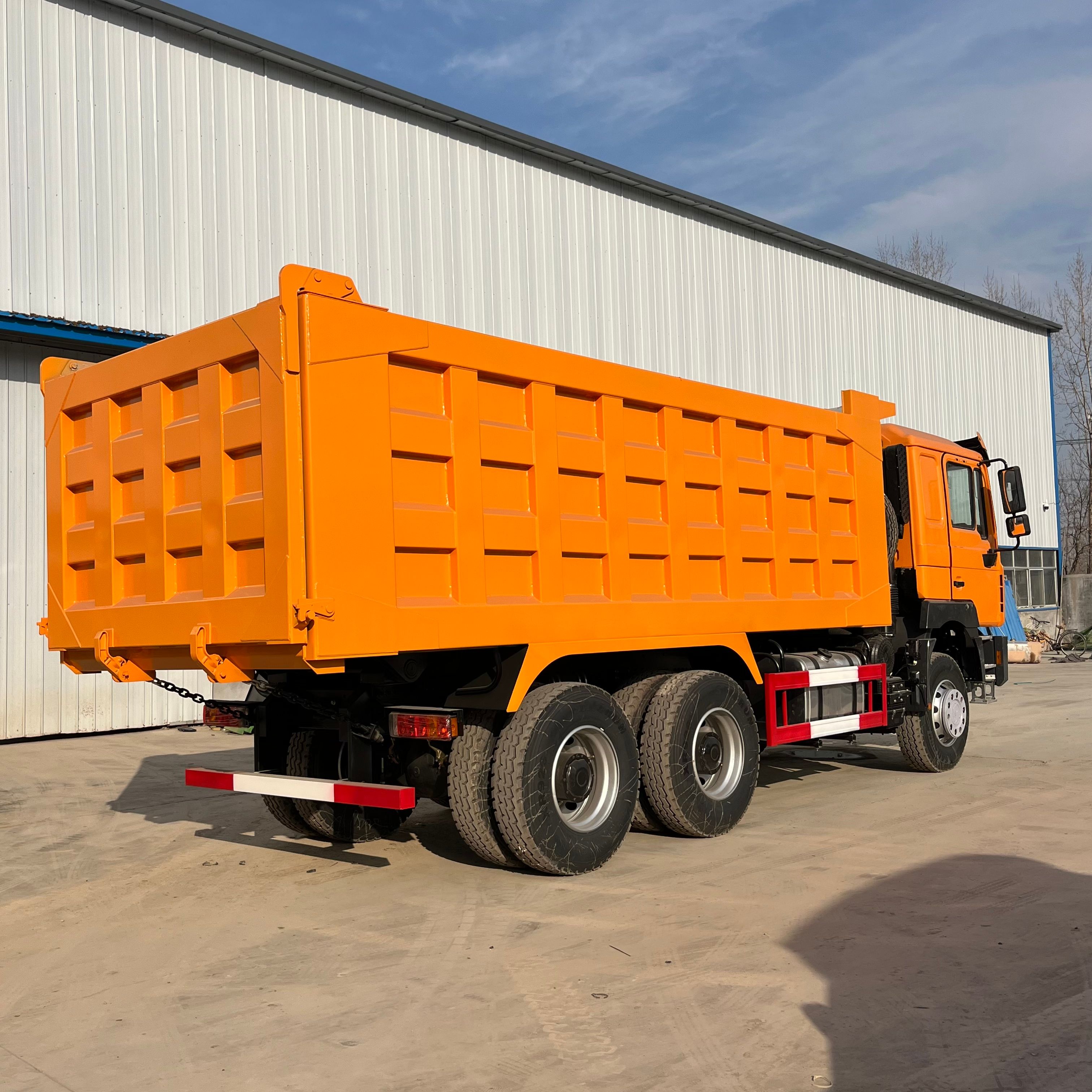
An 8x4 dump truck waiting beside a factory building is still in the seller’s yard, not on board a vessel. Until the contract says otherwise, the cost and risk of moving that unit to the load port need to be allocated in writing.
Yard pickup versus delivery to the load port
Yard pickup versus delivery to the load port
Many used trucks are inspected and parked at a seller’s or trader’s yard, sometimes far from the port named in the quote. The Incoterm does not replace a plan for that first movement. Agree who pays trucking from the yard to the terminal; who pays export inspection, port entry, terminal handling, and documentation at origin; when the unit must be ready; and who may collect it, against which release documents.
If you agree FOB at a named port, ask whether the quoted price already includes delivery to that port and placing the truck on board, or whether yard-to-port trucking and origin local charges are extra. If you agree CIF to a named destination port, still ask who pays origin inland transport and origin local charges. Practice is not uniform, and a short quotation that only says “CIF” will not answer those questions.
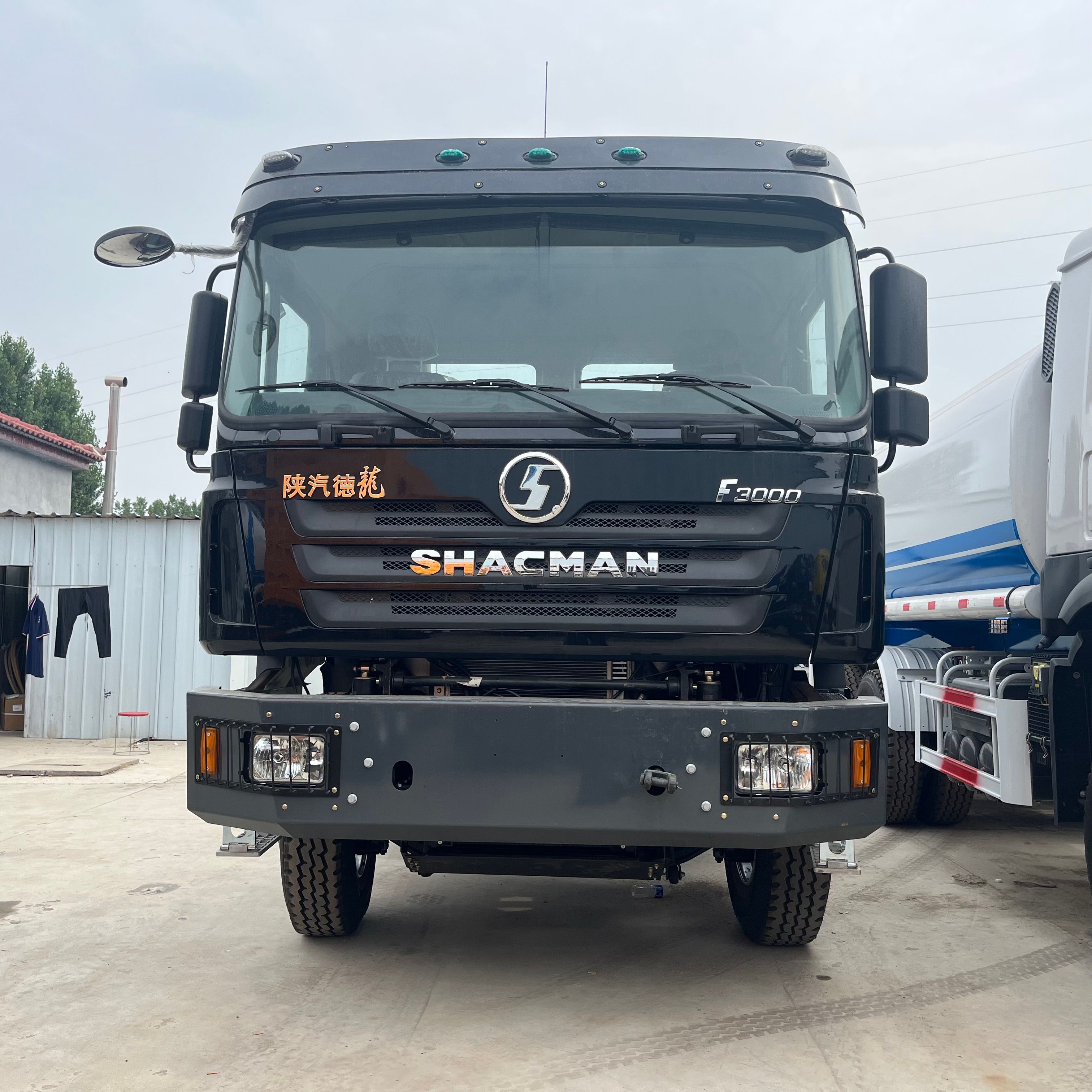
Units waiting in a yard, such as this SHACMAN tractor photographed from the front, are not yet booked on a vessel. Booking space, export formalities, and the cut-off date should be confirmed before anyone assumes a sailing.
What the contract should write down
What the contract should write down
The contract, or a written sales confirmation that both sides accept, should at least record the following points.
The Incoterm rule and version, plus the named place or port, for example “FOB Qingdao, Incoterms 2020.”
Who books vessel space, by which date, and who may change the sailing.
Who pays inland trucking, origin terminal charges, documentation fees, and any origin inspection or customs examination fees.
Who arranges insurance, from which point, on what terms, and how a claim will be handled. Say whether CIF minimum cover is enough or a higher clause is agreed.
When risk transfers, and, separately, when title transfers.
When the truck must be ready, and what happens if a sailing is missed: storage, rebooking, and who pays.
Which documents the seller must provide, and in which form, including the bill of lading or a release, CIF insurance evidence, the invoice, packing list, and any agreed export papers. See the used-truck export documents checklist.
When inspection, including remote video if you cannot attend, must be completed relative to payment and loading.
Payment milestones, and whether the balance is tied to inspection, video, or shipping documents.
Who is named as shipper and consignee, and who can release the bill of lading.
If these points are left to a chat message or a verbal promise, a missed sailing, a document delay, or a damaged unit is much harder to resolve.
Documents, inspection timing, and payment
Documents, inspection timing, and payment
Documents and Incoterms work together. Under FOB, the buyer or the buyer’s forwarder often books the vessel and may receive the bill of lading through that booking. Under CIF, the seller typically provides the transport document and evidence of insurance. In either case, know who obtains the bill of lading, whose name appears on it, and how you will receive originals or a release in time for destination clearance. A late document can cost as much time as a late truck.
Inspection is most useful while you can still refuse the unit, renegotiate, or delay loading — usually before the balance is paid and before the truck is placed on board, which is also before risk typically transfers under FOB or CIF. A structured remote video, and a third-party inspection when the value or the questions justify it, are more useful at the yard than after the unit is already at sea.
The unit price is separate from the Incoterm. A lower FOB price can cost more once you add freight, insurance, and origin charges you will pay yourself. Compare offers on the same basis; see how used-truck export prices are built when you line up quotes.
Common misunderstandings
Common misunderstandings
These misunderstandings appear often in used-truck export.
“CIF means the seller is responsible until the truck arrives.” Under standard rules, the seller pays freight and insurance to the named destination port, but risk typically transferred at shipment.
“FOB factory” or “FOB yard” is a standard Incoterm. Standard FOB is a port and vessel term. If handover is at the yard, say so clearly.
“The Incoterm decides when I own the truck.” Title and risk are different. Spell out both.
“Insurance is automatic.” FOB does not require the seller to arrange cargo insurance. CIF usually requires only minimum cover unless you specify more.
“Destination duties, taxes, and VAT are included in CIF.” As a rule they are not. Confirm import clearance and duties with your forwarder and the competent authority; do not treat a chat quote as final.
“Any port in China, or any port in the destination region, will do.” The named port must be specific enough to book space and allocate local charges.
A practical decision checklist
A practical decision checklist
Use this list before you accept a FOB or CIF quotation, and again before you pay a deposit.
Does the quote name the Incoterm, the version, and a specific port or place, not just “FOB” or “CIF”?
Is the unit at a yard, a workshop, or the load port, and who pays to move it if it is not yet at the port?
Who books the vessel, and by when must the truck be ready to avoid missing the cut-off?
Who pays origin local charges, and who pays destination terminal and documentation charges?
Who arranges insurance, from which point, and on which terms? Is there a gap while the truck waits?
When do risk and title transfer? Are both written down?
What happens, in writing, if the sailing is missed or rolled, and who pays storage or rebooking?
Which documents will you receive, in which form, and by when?
Will inspection or a remote video be completed before the balance is paid and before loading?
Have you compared this offer with another quote on the same basis, including freight, insurance, and local charges?
If several answers are still “we can confirm later,” the trade term is not complete. Finish these points before the deposit, not after the truck is committed to a vessel.
FOB suits buyers who want to control booking, routing, and insurance, and can manage the path from the yard to a named load port. CIF suits buyers who want the seller to arrange carriage and at least minimum insurance to a named destination port, provided they still read the risk-transfer point, destination charges, and insurance clause. In either case, CRTA’s interest is the same: inspect, identify, and document the truck before money and cargo move. The Incoterm does not replace that work, or advice from your forwarder or a lawyer.
Does CIF mean the seller bears the risk until the truck arrives?
Does CIF mean the seller bears the risk until the truck arrives?
Not under the standard CIF rule. The seller typically pays freight and provides insurance to the named destination port, but risk usually transfers when the goods are on board at the port of shipment. A loss at sea is often handled as an insurance claim, which depends on the documents and prompt notice. Confirm the Incoterms version and the insurance terms; do not rely on the abbreviation alone.
Is FOB always cheaper than CIF?
Is FOB always cheaper than CIF?
Not necessarily. A FOB price omits ocean freight and usually omits insurance, so it can look lower than CIF for the same truck. Once you add freight, insurance, and origin charges you will pay yourself, the total may be higher or lower, depending on the routing and the market that day. Compare complete costs, not only the unit line. This article does not quote rates, because they change.
Can I use FOB or CIF if the truck is still at a yard, not at the port?
Can I use FOB or CIF if the truck is still at a yard, not at the port?
Yes, but you must also agree how and when the truck moves from the yard to that port, and who pays. Do not assume that “FOB” already includes yard-to-port trucking or origin terminal charges. If handover is meant to be at the yard itself, say so clearly instead of using a port term as a shortcut.
Who pays destination port charges under CIF?
Who pays destination port charges under CIF?
It depends on the contract and on local practice. Standard CIF carries cost and insurance to the named destination port; it does not automatically settle every arrival charge, storage fee, or inland onward cost. Ask your forwarder who normally pays terminal handling and documentation on arrival, and put the answer in the contract.
What insurance should I ask for under FOB or CIF?
What insurance should I ask for under FOB or CIF?
Under FOB, decide whether you will arrange cover yourself and make sure it is in force when risk transfers. Under CIF, the seller typically provides only minimum cover unless you agree a higher clause, a stated insured value, and who can claim. Ask for the insurance document before the vessel sails. Premiums vary; get a figure from the insurer or forwarder, not from a generic article.
What if the truck misses the booked sailing?
What if the truck misses the booked sailing?
Agree this in writing before you rely on a particular vessel. A missed or rolled sailing can create yard rent, terminal storage, a new booking, and delayed documents. The contract should say who may rebook, who pays the extra costs, and whether insurance needs to be updated. If this is left unsaid, each side will often assume the other will pay.