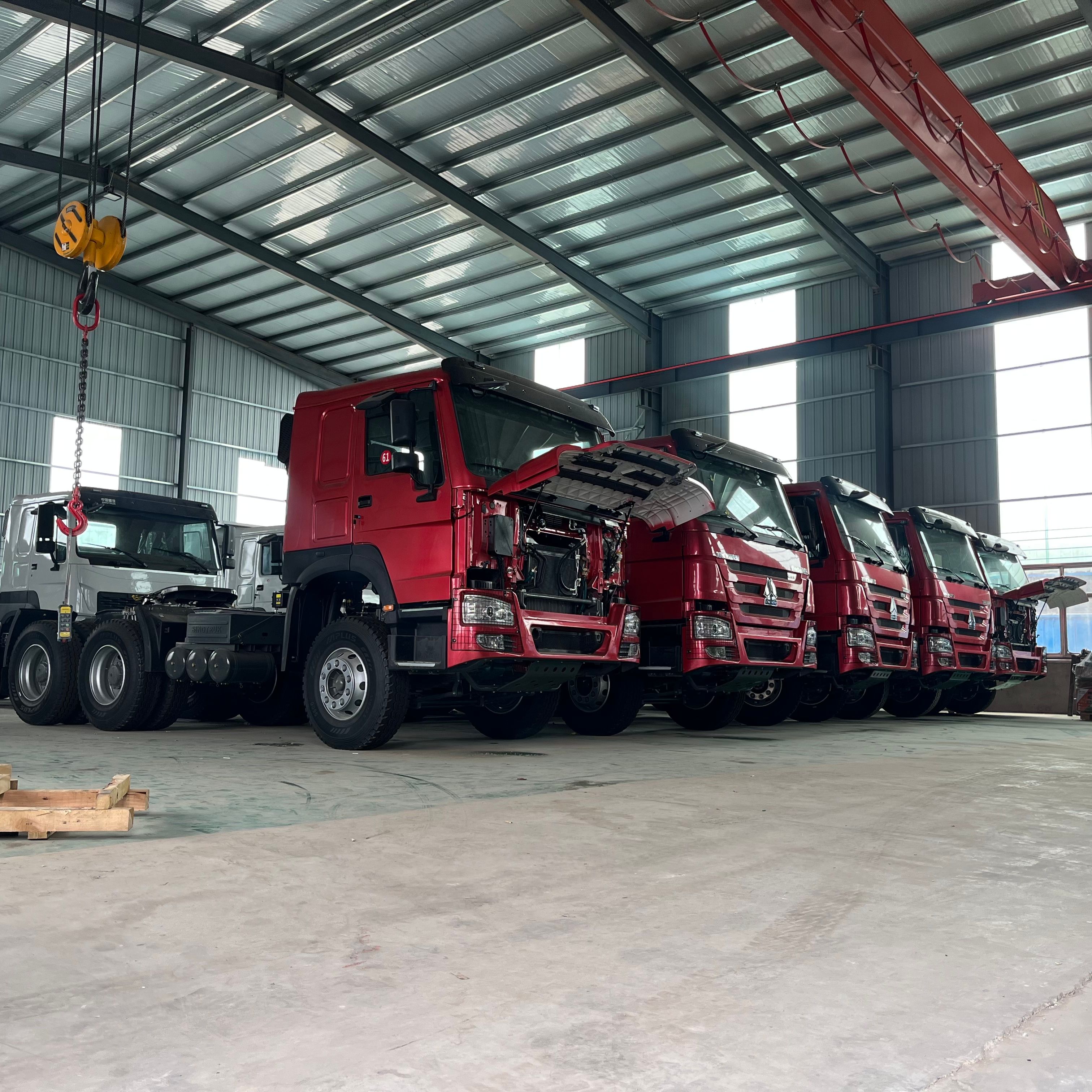
Many used-truck exporters have been through the same moment: the unit is agreed, the deposit is paid, and only then does the freight forwarder ask whether the truck should go Ro-Ro or in a container. It sounds like a small logistics choice. In practice it changes the freight bill, the transit time and the condition of the truck at arrival. If you leave the decision until the truck is ready to leave the yard, you often have very little room left to choose.
First, be clear about what each method actually moves
First, be clear about what each method actually moves
Ro-Ro (roll-on/roll-off) means the truck drives onto a purpose-built vessel and drives off at the destination. The handover unit is the vehicle itself.
Container shipping means the truck is loaded into a container — a standard box, or a special unit such as a flat rack or an open-top container. The handover unit is the box.
The real difference is not the ship. It is the unit you hand over: Ro-Ro is charged and documented per vehicle; container shipping is charged and documented per box. That distinction follows the truck through loading, customs and any later claim.
Size and loading are the first filter
Size and loading are the first filter
This is the first check, and the one most often skipped.
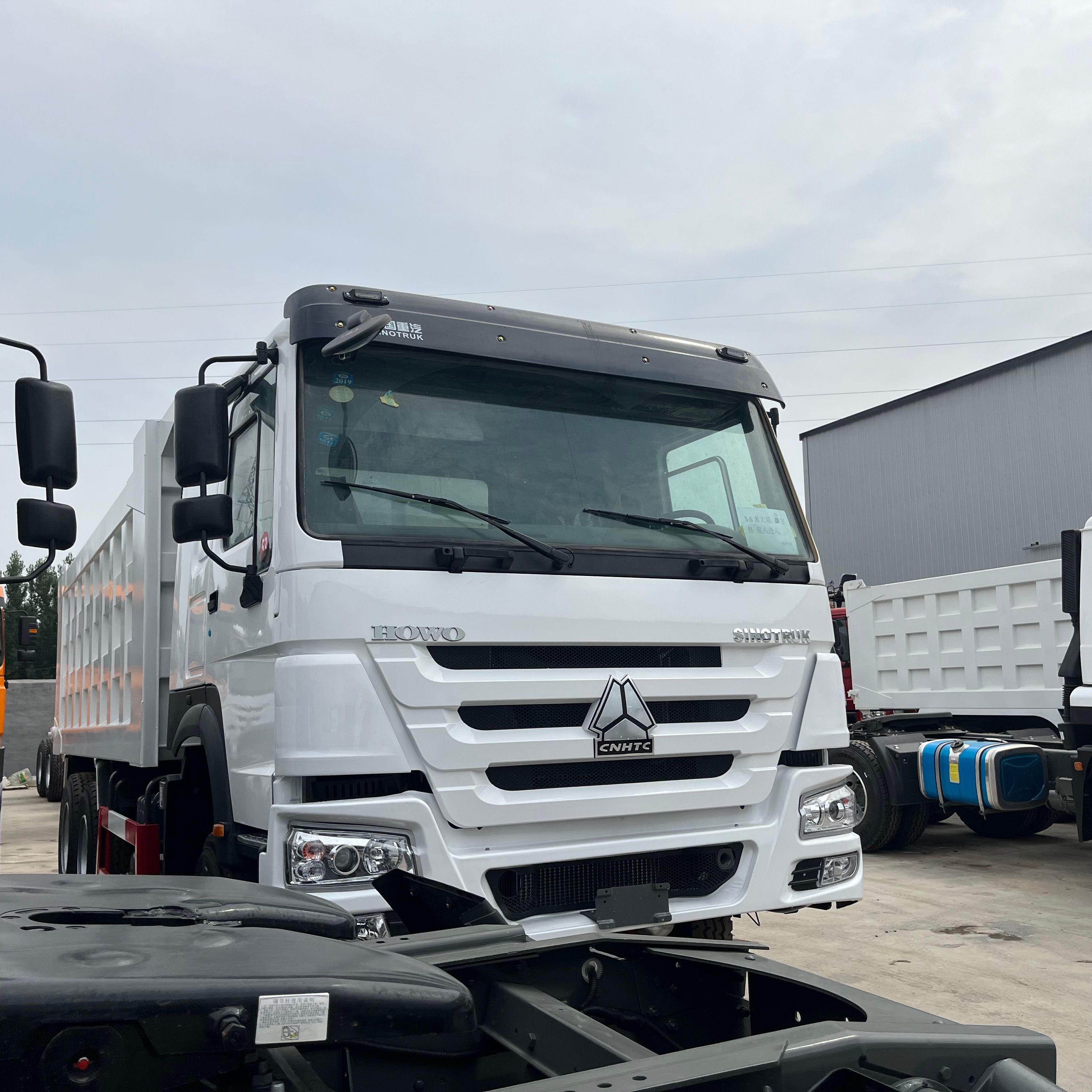
Many mainstream heavy trucks are about 2.48–2.50 metres wide (always confirm against the unit’s official specification). A standard container’s internal width is about 2.35 metres. That means a large share of tractor heads and dump trucks will not fit a standard box even with the mirrors removed. High-roof cabs also often exceed the internal height.
Container shipping is usually realistic for lighter trucks, some low-cab models, or when a special box is available — a flat rack or an open-top container. Special-equipment availability and rates have to be confirmed for the actual sailing; they are not interchangeable with a standard 40-foot high cube.
Ro-Ro is generally not limited by that internal width, because the truck drives on and off. It does require a Ro-Ro terminal at both origin and destination, and the truck must be able to start, steer and brake. A unit that cannot be driven needs a forklift or towing arrangement, usually at an extra charge.
Don’t compare the ocean freight number alone
Don’t compare the ocean freight number alone
The two methods have different cost structures, so comparing “the freight per truck” often produces the wrong answer.
Compare costs on a warehouse-to-destination-yard basis, not only on the ocean rate a forwarder first quotes. A practical way to line the two methods up is to look at the following items side by side.
Billing unit: Ro-Ro is usually charged per vehicle; container shipping is usually charged per box.
Common extras: Ro-Ro often adds port handling and ramp fees; container shipping often adds box rental, pickup and return, and detention if the box is held too long.
Labor: on Ro-Ro the truck drives on and off, so stuffing labor is lower; container shipping needs stuffing, unstuffing and lashing labor.
Easy-to-miss items: handling a non-running unit on Ro-Ro; lashing materials and any LCL unpacking fees on a container move.
Lashing responsibility exists on both methods. The exact split should follow the carrier’s terms and be written into the booking.
Cargo-damage risks are different, not simply higher or lower
Cargo-damage risks are different, not simply higher or lower
On Ro-Ro, the main risk is during ramp operations. Poor control on the slope or ramp can scuff tires, mudguards and bumpers. On long voyages, salt spray and humidity on deck can also affect batteries and bare metal.
On container shipments, the main risks are lashing and the environment inside the box: movement during hard braking or turning, condensation, and knocks during unstuffing. On a flat rack the truck is exposed on deck, so weather and spray also matter.
Whichever method you choose, a complete pre-shipment photo and video record — exterior, odometer, glass and tires — is the most direct evidence if you later need to file a claim.
Destination ports and routes are hard constraints
Destination ports and routes are hard constraints
If the destination port has no Ro-Ro terminal, or Ro-Ro sailings are rare, a good Ro-Ro rate is of little use. This is where containers often win: they reach more mainline ports and can continue inland by multimodal transport.
The other way around, if the destination has a regular Ro-Ro discharge operation and a working used-vehicle import process, driving the truck off the ship is often simpler than unstuffing and transferring it again. Confirm discharge capability, import rules and local fees with the destination agent before you lock the method.
A shipping decision checklist before you place the order
A shipping decision checklist before you place the order
Measure the actual length, width and height, and compare them with the box’s internal dimensions or the Ro-Ro ramp limits.
Can the truck be driven normally? If not, agree the handling method and extra cost in advance.
Confirm that both the origin and destination ports have the right terminal and a usable sailing schedule.
Ask for two quotes on a full-route basis, with every included charge listed line by line.
Write the lashing or securing plan and the responsibility split into the booking instruction.
Keep a complete pre-shipment photo and video record with the shipping documents.
Confirm destination discharge, customs clearance and pickup procedures before the truck sails.
Neither method is automatically better. The right choice is the one that matches the truck, the route and the shipment size. If you work through the seven points above, you are unlikely to pick the wrong one.
FAQ: Do used trucks have to ship by Ro-Ro?
FAQ: Do used trucks have to ship by Ro-Ro?
Not necessarily. Lighter trucks, or units whose width fits the internal width of the box, can go in a container. Most heavy trucks are limited by width and height, so Ro-Ro is more common. The decision should follow the actual dimensions, the destination port and the full-route cost — not habit alone.
FAQ: Can a tractor head fit in a 40-foot high-cube container?
FAQ: Can a tractor head fit in a 40-foot high-cube container?
Most standard tractor heads will not. Width is often close to or above the internal width of a standard box, and a high-roof cab often exceeds the internal height. Always check the unit’s official dimensions against the internal measurements of the actual box type. If the truck is over-height or over-width, a flat rack, an open-top container or Ro-Ro is usually the realistic option.
FAQ: Which method causes less cargo damage?
FAQ: Which method causes less cargo damage?
There is no single answer, because the risk types differ. Ro-Ro incidents cluster around ramp scuffs; container incidents cluster around shifting lashings and moisture inside the box. The practical step is to choose the method that fits the truck, then lock the lashing plan, the photo record and the insurance responsibility in writing. That is more useful than arguing which method is “safer” in the abstract.