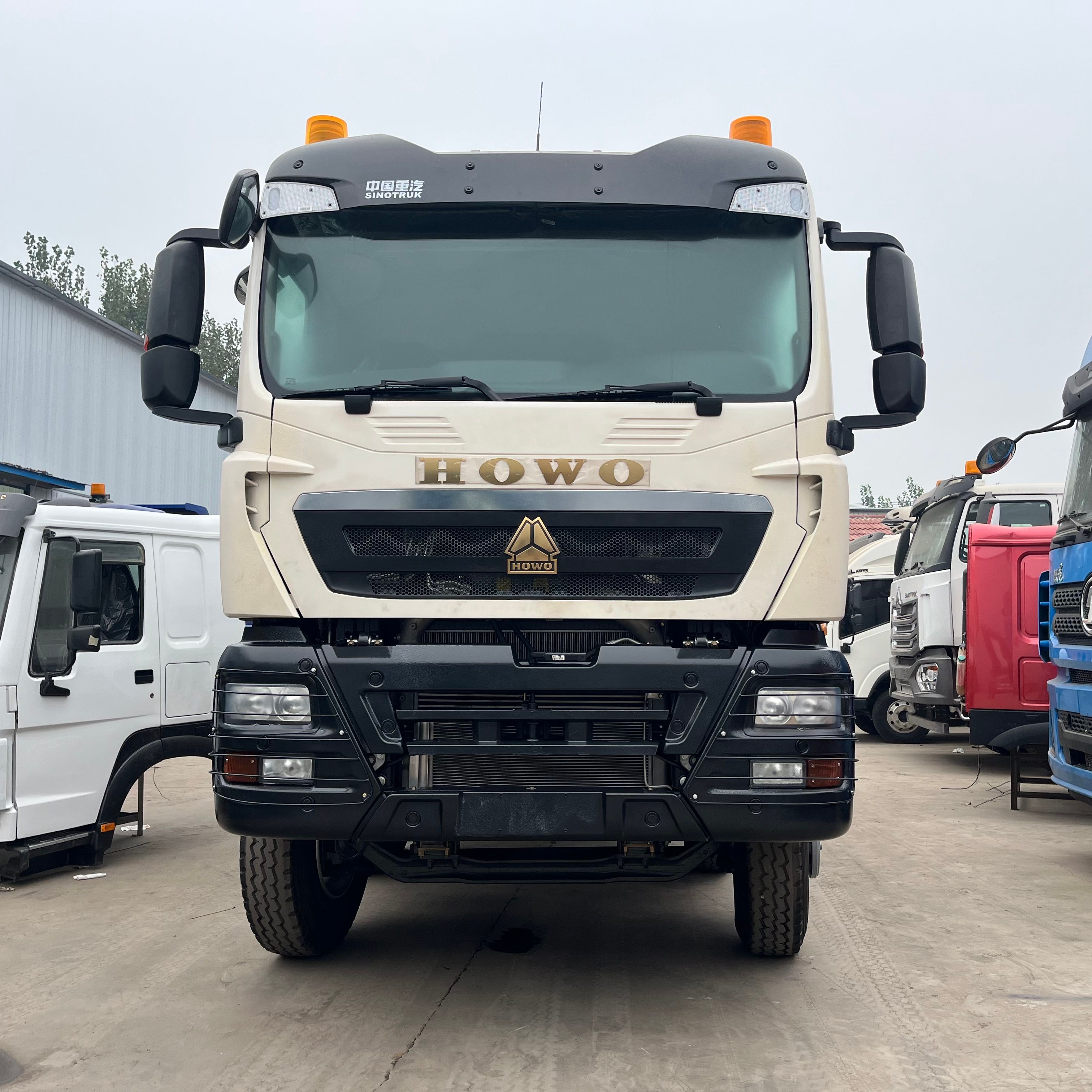
Many African buyers, and agents buying for African destinations, cannot visit a yard in China before they commit. A few photographs in a chat album are not a substitute for a structured remote video inspection of the used truck. Stills can show colour and general condition. They rarely show how the engine starts, whether a warning light stays on, whether the hoist runs, or whether the unit in the pictures is the same used truck as the one in the quotation.
Before you release the balance, ask the yard to film a consistent shot list, speak or show the identification numbers on camera, and send the original files rather than only compressed previews. Then match that video to the quoted used truck — including the steering side, wheel formula and body type — before the money leaves your account. A unit that looks acceptable on film may still be difficult to import if it does not match what the destination can actually accept.
This article is a practical shot list for remote buyers of used trucks from China destined for Africa. Video is not a tear-down, a road test, or a legal title search. It is not a legal requirement and it does not quote inspection fees. Import rules also vary by country. Where a rule may have changed, confirm it with official channels or a local clearing agent in the destination country.
Why remote video inspection matters for African buyers of used trucks from China
Why remote video inspection matters for African buyers of used trucks from China
Still photographs are easy to exchange, but they are also easy to select. A leak can be wiped, a warning light can be out of frame, and photos taken on different days can be mixed from more than one used truck. A walk-around filmed in one continuous take, in daylight, with sound on, makes those gaps harder to hide. You can hear an unusual idle, see exhaust smoke, and watch whether the same damage appears again when the camera comes back around the same corner.
Treat the video as part of the purchase file, alongside the quotation, the chassis number, and the documents later needed for export and for clearance at an African port. If you are still asking basic commercial questions, see questions to ask before you pay a deposit. The later check is to confirm that the used truck you are about to pay for is the unit you were offered, in the described condition, and in a configuration that can be imported at destination.
Ask for the files before the balance is paid, not after the truck has already been moved to the port or loaded. Once the unit has left the yard, it is much harder to repeat a shot or compare the truck with a spare unit, especially when the buyer is in Africa and cannot return to the yard.
Check that the used truck will match what the destination can import
Check that the used truck will match what the destination can import
Before you study scratches or tyre wear, confirm two things: that the film is of the quoted unit, and that the unit is a type your destination can actually receive. Start with colour, cab type, body type, wheel formula, and whether it is a tractor head, a cargo truck or a dump truck. Then ask the yard to film the steering side clearly — from the front of the cab and from the driver’s seat — and to show the wheel formula and body type in a slow walk-around.
Most used trucks from China are left-hand drive. That usually matches markets in West, Central and Southern Africa, where left-hand drive is the normal configuration. Some East African markets require right-hand drive instead. This article does not list every country. For a country-by-country starting point, see which African countries accept left-hand-drive trucks, then confirm the current rule with official channels or a local clearing agent before you pay the balance.
The same video should also show the work the truck is being bought to do. Dump and tipper trucks are commonly bought for construction, quarry and site work. Tractor heads are commonly bought for haulage. Ask the yard to keep the body type and axle layout in frame long enough to compare them with the quotation. If you are still choosing a dump-truck layout, see 6x4 versus 8x4 used dump trucks. If you are comparing tractor-head power bands, see the HOWO 371, 375 and 400 hp guide.
Age limits, emission rules and other admission requirements can differ from one African country to another, and they can change. This article does not quote those figures. Use the country pages as a starting point — for example Nigeria, Ghana and Tanzania, or the wider import guides by country — and verify the current requirements locally before you treat a quoted used truck as eligible.
First match the video to the quoted used truck
First match the video to the quoted used truck
Once the configuration looks plausible for the destination, confirm that the film is of the exact unit in the quotation. Ask the yard to film a steady close-up of the chassis number, VIN or metal nameplate, and to read the characters out loud. Pause the video and compare every character with the quotation and, later, with the invoice and export documents. A single digit that does not match is a reason to stop and ask. African port clearance often depends on the same consistency between the truck, the video and the papers.
Also film the model badge on the door or cab side. That badge is not the metal data plate. A TX430 mark on the door is only the model designation the seller is presenting; still confirm it against the quote and the nameplate or chassis stamping.
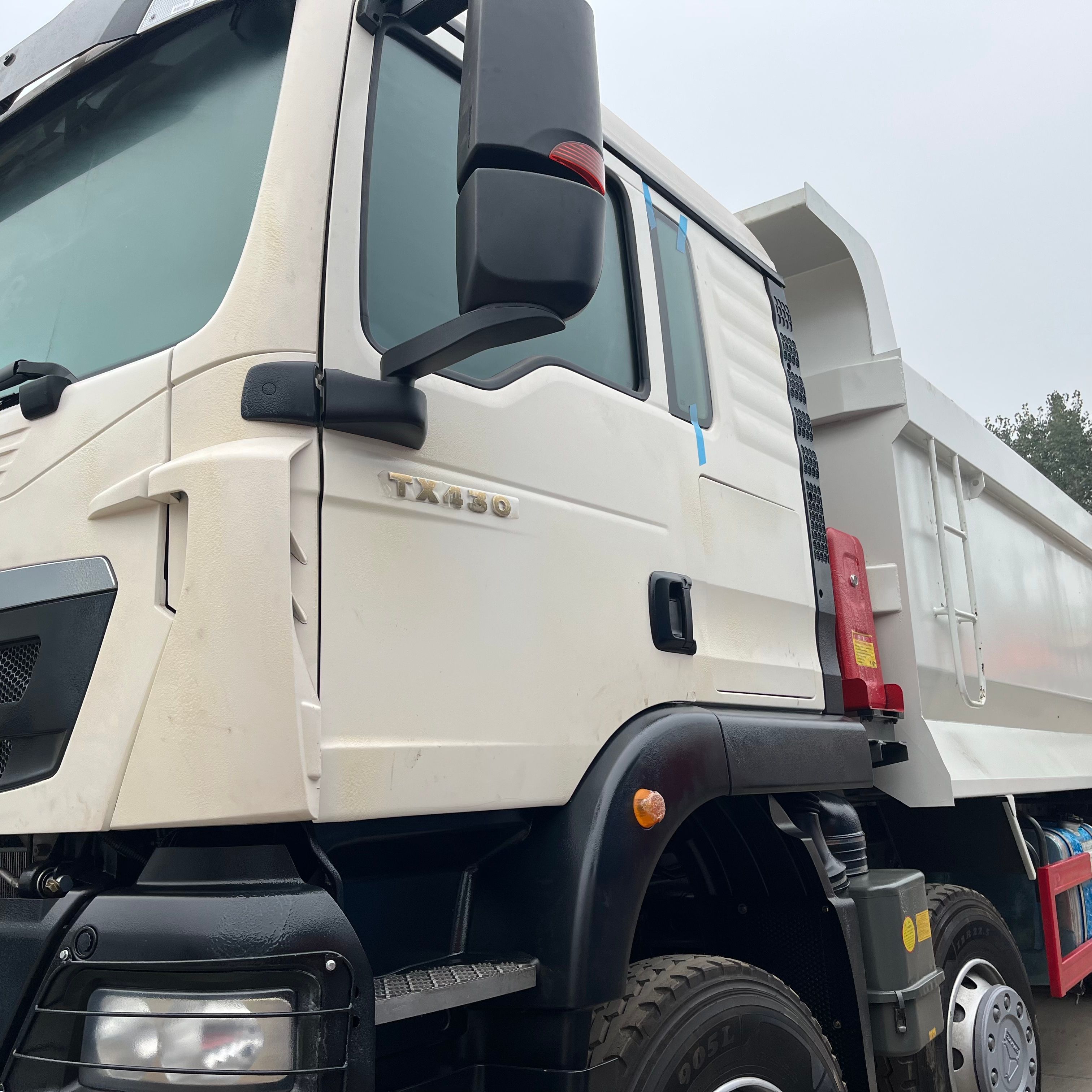
This left-side cab view of a used truck shows a TX430 model badge on the door, not a metal data plate. Confirm the badge against the quotation, then still ask for a chassis-number close-up.
If the quotation lists hours, kilometres, a particular body length or a stated emission standard, ask the yard to film the instruments and any plates that are supposed to support those claims. Do not treat a number in a chat message as confirmed until you can see it on the used truck.
The shot list to request for used trucks bound for Africa
The shot list to request for used trucks bound for Africa
Give the yard a written list rather than a vague request to “send a video.” The shots below are a practical starting point for remote buyers of used trucks from China. Not every yard can film every angle on the same day, but the yard should say in advance which shots they cannot do, and why.
Walk-around. Film the entire used truck in daylight, slowly, showing panel gaps, rust, collision repairs, the body or fifth wheel, and a clear view of the steering side. Go around at eye level, and lower along the chassis if it is safe. Keep the sound on.
Model badge and identification. Show the door or cab badge, then a steady close-up of the chassis number, VIN or nameplate, with every character readable.
Engine bay and cooling. If it is safe, tilt the cab or open the covers and film the engine, belts, hoses, wiring, radiator, coolant hoses and the area around the front axle. Look later for fresh oil, coolant or fuel. A steam-cleaned bay can hide a leak, so also ask them to start the engine. For used trucks that will work in heat and dust, damaged fins, missing shrouds or dried-out hoses deserve extra attention.
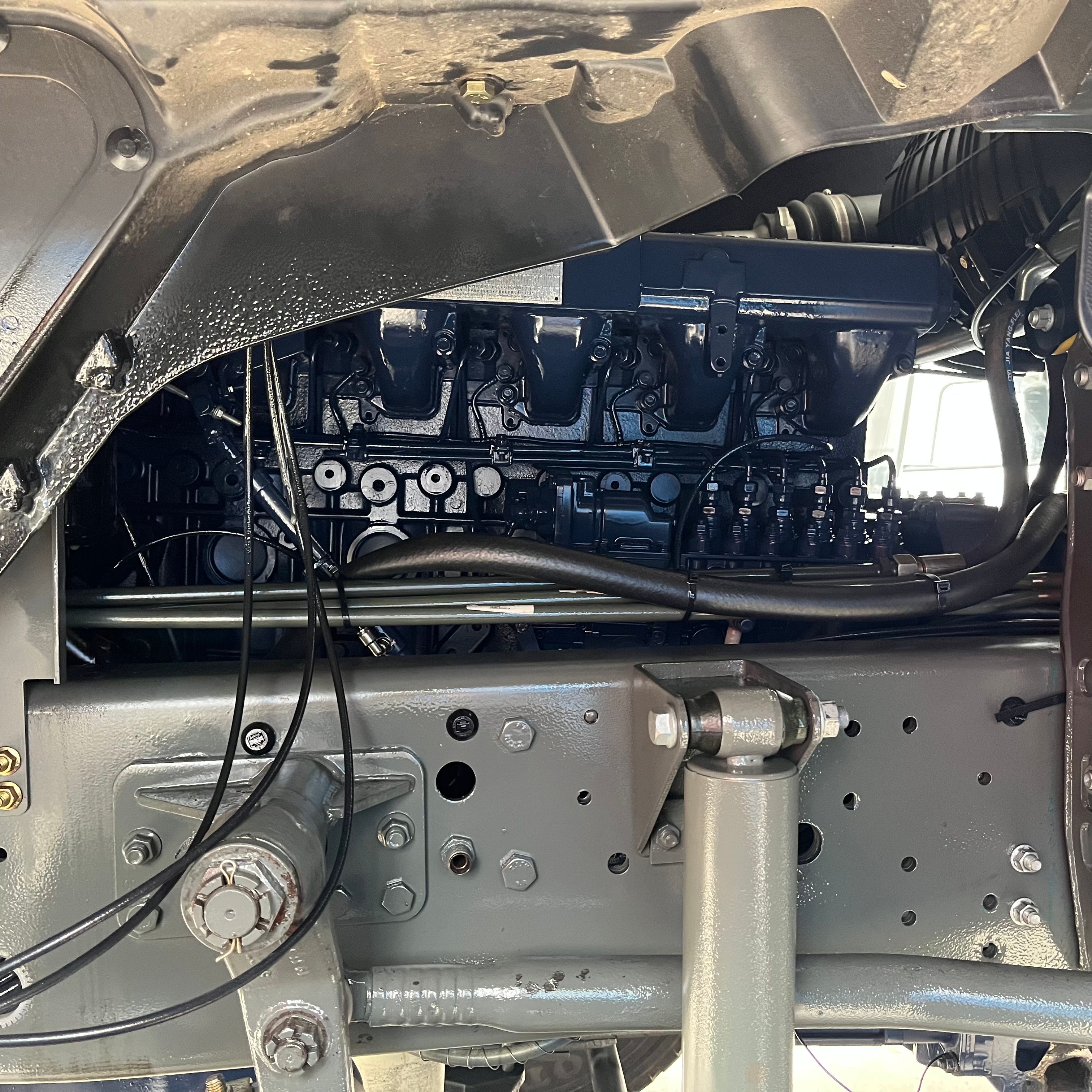
With the cab tilted, leaks, hasty repairs and missing covers on a used truck are easier to see than in a closed-cab photograph.
Startup and idle. Film a cold or stated start if possible: the key, the instruments, the exhaust as the engine catches, and idle long enough to hear knocking, hunting or a warning buzzer. Watch for blue, white or heavy black smoke, and for leaks that appear only after start-up. If the engine was already warm, note that. After a short run, check whether coolant weeps from the radiator or hoses once the engine is hot.
Cabin and gauges. Film the seats, belts, pedals, steering wheel position, gear selector, air-pressure gauges, warning lights, and any odometer or hour meter. With the power on, move slowly across the dashboard and show the steering wheel from the driver’s seat so you can confirm left- or right-hand drive.
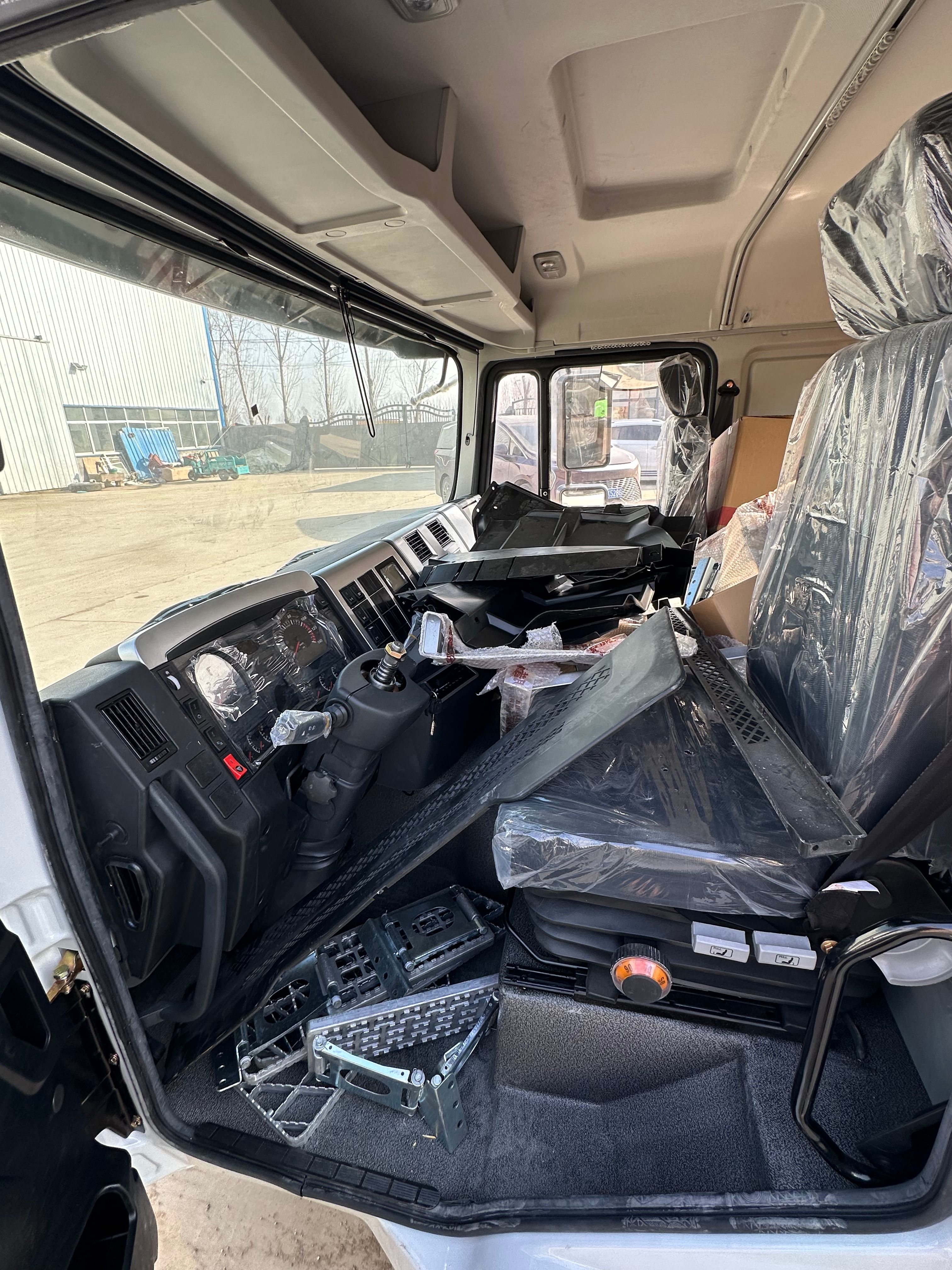
A used-truck cabin with the seats still in plastic helps you see what fittings are present. It does not replace a check of the instruments with the power on.
Chassis and underside. If it is safe, film under the frame, the rear axles, differential housings, suspension hangers and crossmembers. Look later for bent hangers, wet hubs, welded cracks, and fresh paint on only one section of a rail. This shot is often skipped, and it deserves extra attention if the used truck will work on rough site or quarry roads.
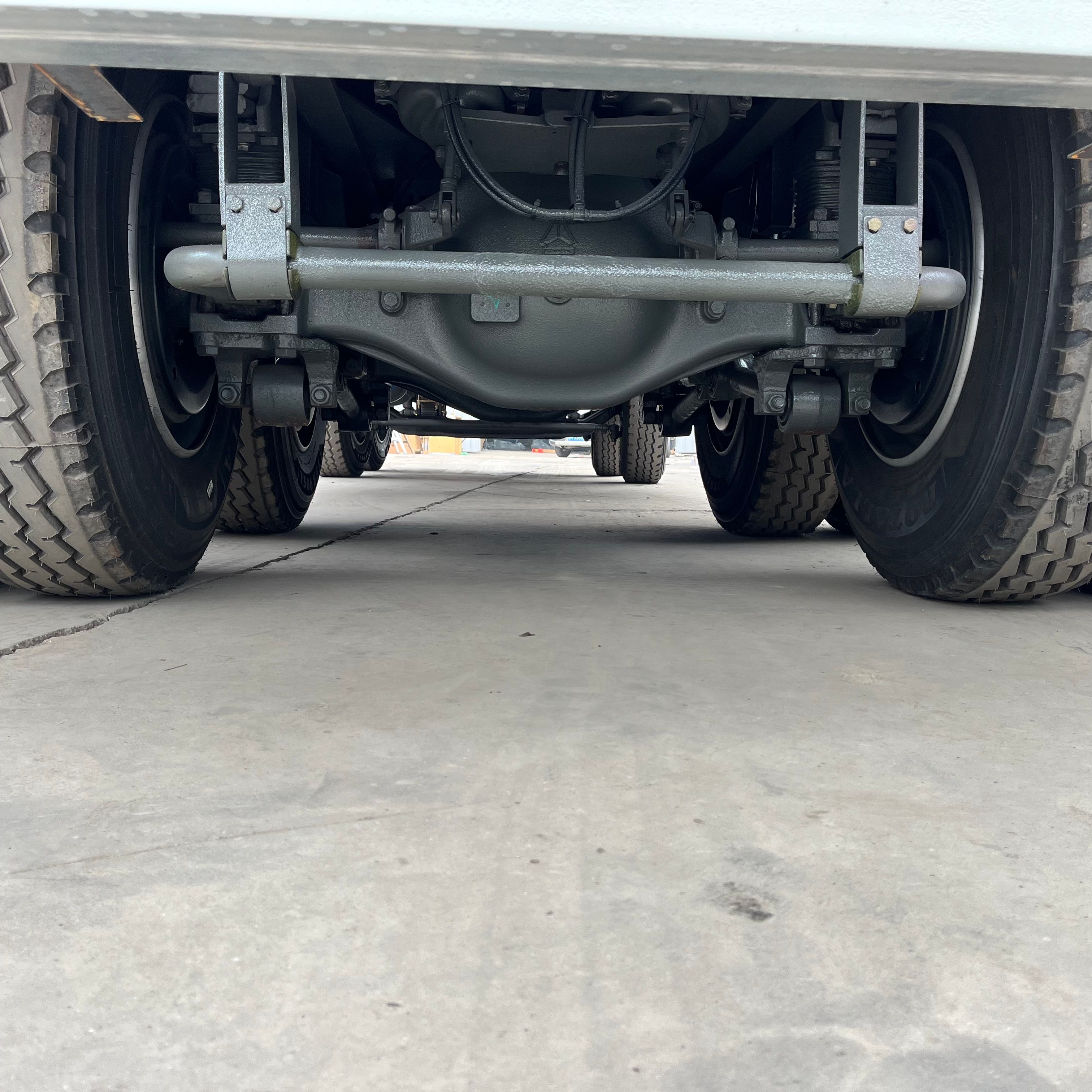
An underside view of the rear axles, differential and suspension of a used truck is the kind of shot cab photographs rarely provide. Ask for a slow pass in daylight.
Tyres and leaf springs. Film each tyre, including inner duals if they can be seen, and the leaf springs on both sides. Note brand, size, remaining tread, cuts, and whether a mixed set has been fitted. Heat, dust and rough roads punish tyres and springs quickly, so walk slowly past each axle.
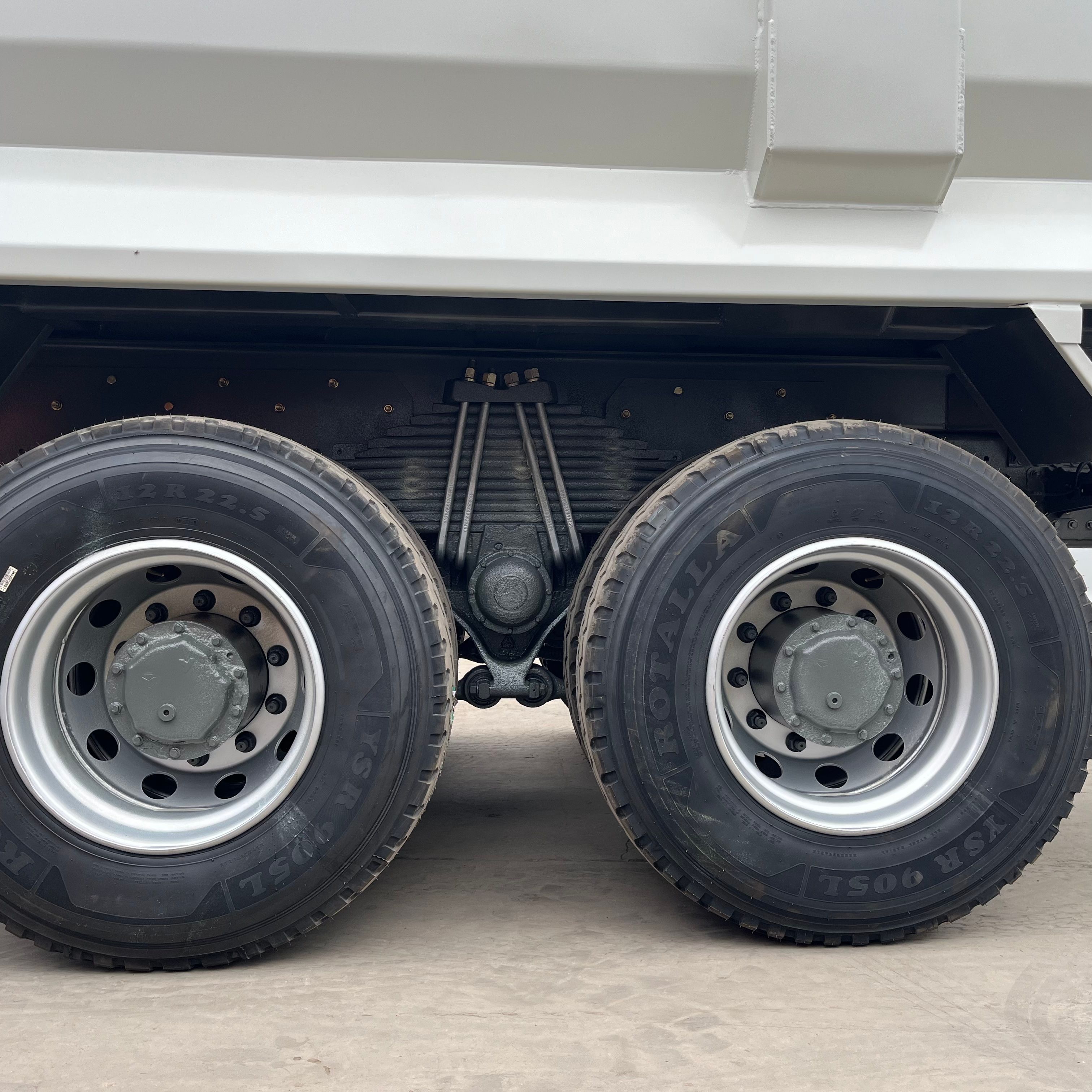
Dual rear tyres and leaf springs on a used truck should appear in the video, including readable size markings. A slow walk past each axle also shows the inner tyre and both spring packs.
Body and hoist, if it is a dump or tipper truck. Film the body floor, cab protector, tailgate, hoist rams and hydraulic hoses. If it is safe and permitted, ask for a short hoist-up and hoist-down cycle that shows tilt, drift and leaks. For construction, quarry and site work in Africa, that cycle is one of the most useful shots on the list.
Short test drive, if it is safe. A move across the yard is not a highway test, but it can show whether the truck engages gear, builds air, steers and stops. Film the dashboard during the short drive, not only the view through the windscreen. If a test drive is not possible, the yard should say so.
Documents held to camera. Hold the registration certificate, invoice or other papers claimed for this unit next to the nameplate or dashboard, so the numbers can be compared in the same day’s clips. For the wider export set, see the export documents checklist.
Identity and documents for African port clearance
Identity and documents for African port clearance
A remote video inspection is also a way to lock the identity of the used truck before shipment. The chassis number or VIN on camera should match the quotation, the commercial invoice and the export papers that travel with the unit. African port clearance often depends on that consistency. A mismatch can delay the truck, or leave the buyer arguing about which unit was shipped.
This article does not list the documentary procedures of any one country, because those procedures vary and can change. Confirm the current requirements with official channels or a local clearing agent in the destination country. The useful step from China is simpler: keep a video in which the identification numbers are readable, and refuse to pay the balance until those numbers match the papers.
How to brief the yard and keep the files
How to brief the yard and keep the files
Send the shot list in writing, in a language the yard can follow, and ask them to confirm which items they can complete. Request daylight, continuous clips where possible, and original files. Chat compression can smear a chassis number or a warning light until it is useless.
At the start of the first clip, ask the operator to state the date, the yard location and the chassis number they are about to film. If several used trucks are being prepared in the same place, this reduces the risk that a clip from another unit is added by mistake. Keep a copy of what you received, including the date, and do not rely only on a link that may expire.
What a video still cannot show
What a video still cannot show
A good video answers many remote questions, but not all of them. It will not reliably show internal wear in a gearbox or axle, a crack hidden under paint, the true service history, or whether the documents will be accepted by a competent authority at destination. It cannot replace an emissions test or a legal title check, and it cannot tell you whether the used truck will meet a destination age or admission rule. Those rules must be verified locally.
Night video, heavy rain, or a unit that has just been washed can hide leaks. A camera that never goes under the chassis cannot show the condition of the frame. If the yard cannot tilt the cab, film the underside or start the engine, treat those gaps as open items, not as minor omissions.
When a third-party inspection still helps
When a third-party inspection still helps
Remote video and an on-site inspector are not rivals. Video is often enough to reject a used truck that is clearly the wrong unit, clearly leaking or clearly damaged. An inspector is more useful when the unit is valuable, the frame or cab has been repaired, the video leaves a question open, or you need measurements or a written report.
Some destinations also require a pre-shipment or documentary inspection under local rules. This article does not describe those programmes, because the requirements differ and can change. If your destination has such a process, confirm it with official channels or a local clearing agent, and keep the remote video as a separate record of the same used truck.
Tie the balance to what you have actually reviewed
Tie the balance to what you have actually reviewed
A common pattern is a deposit to hold the unit, then a balance before the used truck leaves the yard or is delivered to the port. Do not release the balance only on a promise that “the video will be sent later.” Tie that payment, in writing, to receipt and review of the agreed shot list, and to any third-party report you have also agreed.
If the chassis number in the video does not match the quotation, stop. If the steering side, wheel formula or body type does not match what the destination can import, stop and check again before the money is sent. If a required shot is missing, ask for it, or adjust the deal. If the video is acceptable, keep it. It may be needed later if the unit that arrives in Africa is not the unit that was filmed.
CRTA’s interest is practical: remote buyers of used trucks from China should be able to identify the truck, see the main risk points, and keep a record before the balance is paid. A shot list does not make a truck perfect. It does make it much harder to pay for a different unit, or for a condition that a few stills never showed. For a specific unit, write to [email protected] or WhatsApp +86 180 0351 2924 with the destination country and the quotation you are reviewing.
Are a few photographs enough before I pay the balance on a used truck?
Are a few photographs enough before I pay the balance on a used truck?
Photographs are useful, but they are usually not enough on their own, especially when you cannot visit the yard in China. They can miss sounds, smoke, warning lights, hoist movement, the steering side, and leaks that appear after start-up. A structured video of the used truck, matched to the quoted chassis number, gives you more to review before the balance is released.
What if the yard cannot tilt the cab or film the underside?
What if the yard cannot tilt the cab or film the underside?
Ask them to say so in advance, and to film the closest safe alternative. A missing engine-bay or underside shot is not a small gap, because those are the views still photographs most often omit, and they matter for used trucks that will work in heat, dust and on rough site roads. You can request a later clip, or ask a third-party inspector to complete those points before the balance is paid.
Can a remote video replace a third-party inspector?
Can a remote video replace a third-party inspector?
Not in every case. Video is often enough to confirm the identity of a used truck and to reject an obviously poor unit. It is weaker on hidden wear, measurements, and anything that needs a tool, a pit or a road test. For a higher-value truck or a video that leaves questions open, an inspector and a video complement each other. This article does not set a fee or a legal rule.
Should I pay a deposit before I have seen a video?
Should I pay a deposit before I have seen a video?
A deposit to hold a used truck is common, but the balance should wait until you have reviewed the agreed video and any agreed inspection report. If the video later shows the wrong unit, the wrong steering side or a serious defect, the contract should say what happens to the deposit.
How long should the video be?
How long should the video be?
There is no official running time. A complete walk-around, identification close-ups, a clear view of the steering side, an engine start, the cabin with power on, the underside, the tyres, and a hoist or short move if relevant, usually takes longer than a one-minute clip. Judge the video by whether each item on your list is visible and readable, not by a number of minutes.
What if the chassis number in the video does not match the quotation?
What if the chassis number in the video does not match the quotation?
Stop and ask for an explanation before you pay the balance. It may be a filming error, a quote that used the wrong number, or a different used truck. Do not accept a verbal correction without a new close-up and a revised quotation. The same number should later appear on the invoice and the export documents, because African port clearance often depends on that match.
What if the steering side does not match my destination?
What if the steering side does not match my destination?
Stop before you pay the balance. Most used trucks from China are left-hand drive, which often suits West, Central and Southern African markets, but some East African destinations require right-hand drive. Use the left-hand-drive country guide as a starting point, then confirm the current rule with official channels or a local clearing agent. Do not assume that a steering conversion can be arranged after the used truck has been paid for or shipped.